
A gun sock and a hard case are both useful, but they solve different problems. A sleeve gives a clean, dry firearm a soft layer against the ordinary contact of storage and handling. A hard case is built to add structure, impact protection and, when designed to lock, a more secure way to transport or store a firearm. Choosing well starts with the situation, not with deciding that one product must do every job.
The clearest way to think about a gun sock vs. hard case is to separate protection from security. A sock can help keep a firearm from rubbing on a rack, shelf or neighboring piece. A hard case can protect it from a heavier bump or the shifting gear around a trip. Neither one replaces responsible handling, the firearm manufacturer’s instructions, local requirements or a secure storage plan that prevents unauthorized access.
Start with the job the firearm needs to do
Before comparing materials, ask where the firearm will be and what can happen around it. A rifle returning to a roomy home safe after a dry range day has a different need from a shotgun riding in a vehicle with other gear. A handgun placed in an appropriate locked storage device needs a different solution from a firearm being checked for an airline flight. The right answer can be a sleeve, a hard case or both used together.
For storage at home, security comes first. Project ChildSafe recommends keeping unloaded firearms in a locked cabinet, safe, gun vault or storage case that is inaccessible to children and other unauthorized people. It also recommends keeping ammunition separately locked. A gun sock is not a locking device, and a hard case is only part of the answer when it is appropriate for the household and secured as needed.
Once the secure location is settled, focus on the more ordinary questions. Will the firearm share a crowded safe? Does it have an optic or sling that needs room? Is the trip likely to involve stacked gear, rough handling or a legal case requirement? Those questions make the choice much clearer than a blanket rule about which product is “better.”
What a gun sock does well
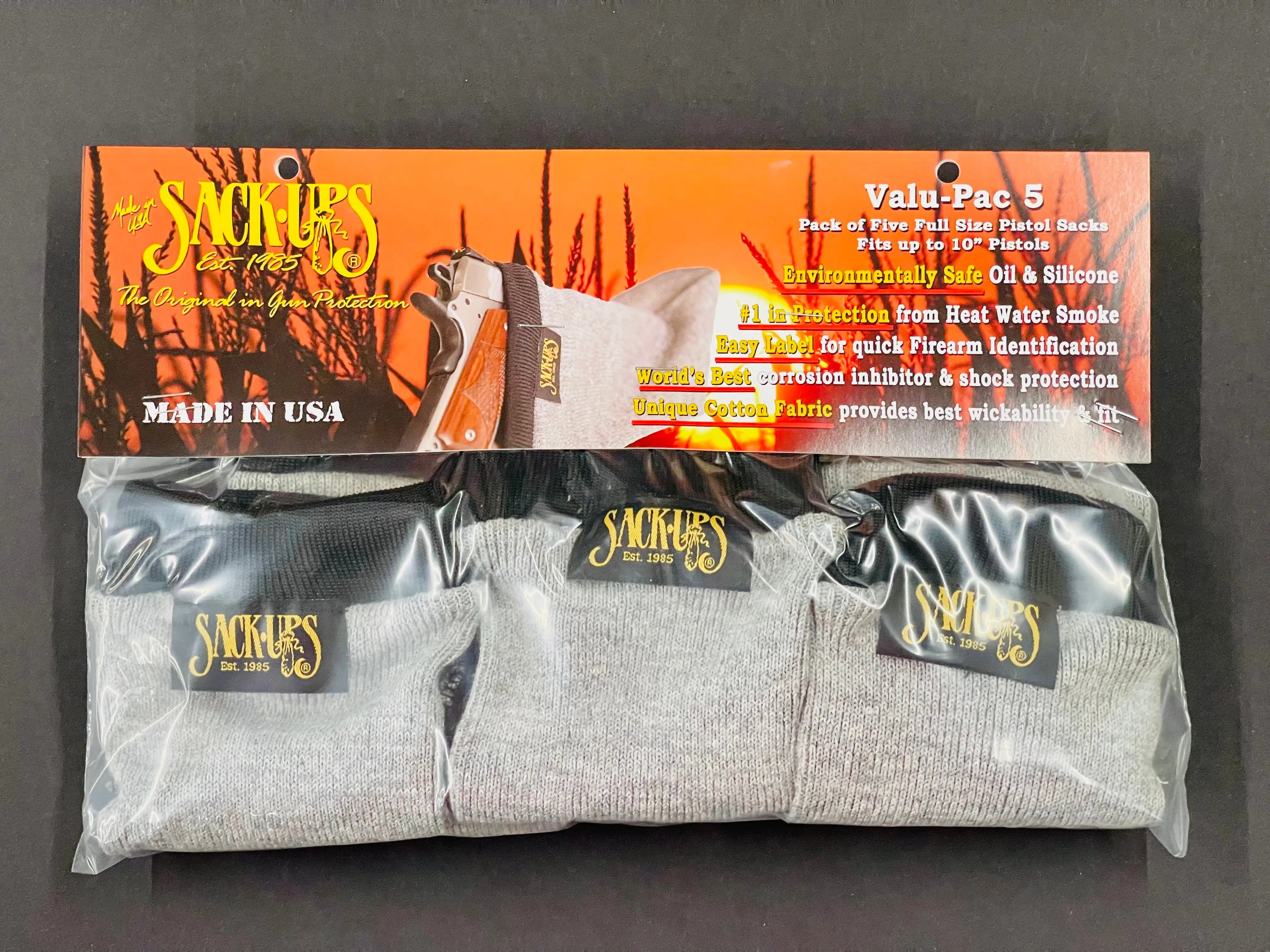
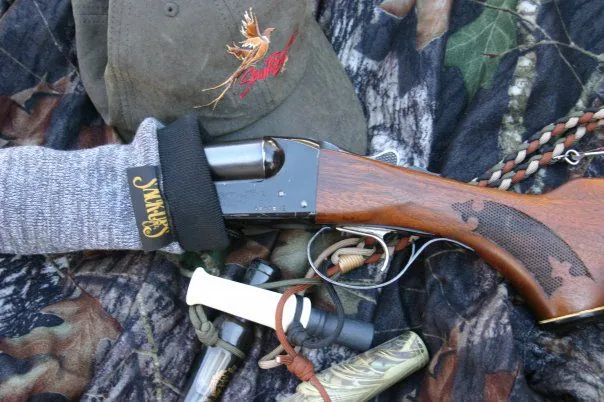
A gun sock is a fitted knit sleeve that adds a soft boundary around a firearm. Its best role is everyday finish protection: the quiet friction that happens when a rifle comes in and out of a rack, a shotgun rests beside another long gun or a handgun is placed on a shelf with the rest of a collection. It is lightweight, takes up little space and can stay with the firearm between outings.
That simplicity matters in a real storage routine. A protective layer only helps if it is easy enough to use after a range day, hunt or cleaning session. With a properly fitted sleeve, a clean, dry firearm can return to its assigned space without dragging directly against nearby gear. The sleeve also makes it easier to see when the fabric itself needs to be cleaned, dried or replaced.

Material and fit deserve more attention than a generic “one size fits all” label. A sleeve should slide over the complete unloaded firearm without forcing fabric across an optic, sling swivel, tall sight or wider stock. Measure the whole setup, not just the barrel. The Sack-Ups Buyer’s Guide helps compare the actual length and profile of rifles, shotguns, handguns and scoped setups before choosing a size.
A clean, dry sleeve also supports a cleaner storage space. Sack-Ups uses a silicone-treated cotton blend for a soft layer during storage and transport. That layer supports everyday care, but it is not climate control. If a firearm, sleeve or range bag is wet after an outing, let it dry completely and follow the manufacturer’s cleaning guidance before it goes into enclosed storage.
Where a gun sock has limits
A sleeve does not provide rigid crush protection, a lock or a secure barrier against unauthorized access. It should not be treated as a substitute for the case or storage device required by a carrier, destination or household safety plan. It also cannot make a crowded safe, damp basement or neglected firearm safe by itself.
For travel, a sock helps with surface contact, not with the heavier forces a firearm may encounter. A rifle in a vehicle can slide against a cooler, tool box or another case. A shotgun might be placed under other equipment. A handgun may need a purpose-built lock box or case. In those situations, the sleeve can be useful inside another appropriate storage solution, but it should not be asked to absorb the job of a rigid case.
The same caution applies to long-term conditions. A sleeve should never conceal a problem that needs attention. If the storage area smells damp, a hygrometer has changed sharply, fabric feels wet or a finish looks unusual, inspect the space and follow the firearm maker’s care guidance. The gun safe humidity guide explains how to keep moisture checks visible, while the gun sock and rust guide covers the honest role of a protective sleeve in a broader care routine.
What a hard case does well
A hard case adds a rigid shell around the firearm. That can be valuable when the gear needs more protection from bumps, pressure and shifting items than a sleeve can provide. Many cases can also be locked, which gives them a useful role in an appropriate secure-storage or transportation plan. The best case still needs to match the firearm, the trip and the applicable rules.
For airline travel, the distinction is especially clear. The Transportation Security Administration says firearms in checked baggage must be unloaded, packed in a locked hard-sided container and declared to the airline. A gun sock does not meet that requirement on its own. It can add a soft layer inside the hard case, but the hard-sided case and the airline’s current requirements are what govern the trip.

A hard case is also a strong choice when the route to the range, field or gunsmith involves gear that could press, fall or shift against the firearm. Think of it as the outside shell for a higher-risk trip. The case can keep equipment separated and more stable, while the sleeve inside can help prevent the finish from rubbing against the case interior, a strap or another firearm.
That does not mean a hard case is automatically the best place for every firearm to live for months at a time. Cases, foam, fabric and the surrounding environment all deserve routine inspection. Before closing a firearm into any case, make sure the firearm and the storage materials are clean and dry. If a case comes home wet, muddy or musty, let it dry and clean it before using it again for storage.
Compare the two by the protection you need
It helps to compare a sleeve and a hard case across the few decisions that matter in daily use. A gun sock is the lighter, closer-fitting choice when you want to reduce ordinary contact in an appropriate secure location. A hard case is the more structured choice when the firearm will face pressure, impact risk or a specific transportation rule. Neither product should be chosen by price alone when the firearm, destination and storage conditions call for a different level of protection.
- Surface contact: A fitted gun sock is excellent for separating a firearm from racks, shelves, cases and neighboring gear. A hard case can also separate gear, but its main value is the shell around it.
- Impact and crush risk: A hard case is the better choice when other equipment may press against the firearm or the trip involves handling that a soft sleeve cannot manage.
- Secure access: A sock offers no lock or access control. A suitable lockable case can support a secure storage or travel plan, but it must still be used according to the household, carrier and applicable requirements.
- Space in a safe: A sleeve takes far less room and can make a crowded row gentler on finishes. A hard case can be bulky, which may make a secure storage area harder to inspect and organize.
- Routine care: Both need to stay clean and dry. The simpler layer is often the one most likely to be used consistently after every outing.
The best gun sock for a home collection is therefore not the one that claims to replace every other protective product. It is the one that fits the firearm, stays easy to use and supports a sound storage routine. Sack-Ups is built for that everyday role: a silicone-treated cotton layer that gives rifles, shotguns and handguns a soft place to rest between use and storage.
Home storage, vehicle trips and air travel are different decisions
At home, the priority is secure storage that keeps firearms inaccessible to unauthorized people. A sleeve can then make the secure space kinder to the finish. In a safe or cabinet, use the sock to prevent the small rub marks that can happen when a firearm is returned to its place, especially where a collection shares racks, shelves or dividers. Leave enough clearance to remove one firearm without pulling another one forward.
For a normal trip to the range or field, assess how the firearm will travel. If it will be carried by hand and protected from heavy gear, a sleeve may be a practical layer on the way from secure storage to the vehicle and back again. If it will ride among equipment, be loaded into a packed cargo area or be exposed to more movement, a hard case can provide the structure the sleeve lacks. Always follow the laws and requirements that apply to the exact trip.
For temporary vehicle storage, do not confuse being out of sight with being secure. Project ChildSafe advises gun owners to use a lockable, tamper-resistant storage device designed for firearms and to keep it secured against easy removal. A soft sleeve can travel inside that device, but it does not create the secure, lockable layer needed in a vehicle. Finish the trip by returning the firearm to its regular secure storage location as soon as practical.
Air travel has the clearest answer. The TSA requires checked firearms to be unloaded, in a locked hard-sided container and declared to the airline. Pack the hard case according to the airline’s current policy, then use a well-fitted sock only as an extra layer inside the approved case if it does not interfere with the fit or the lock. The sleeve is useful protection, but the required case, declaration and legal compliance are not optional details.
Do not let a case hide moisture or clutter
Hard cases earn their place on a trip, but a closed case can also make it easy to forget what is inside. A wet sling, muddy range bag, damp foam or sleeve that came home from a rainy day should not be shut away without attention. Open the case, separate the firearm from wet or dirty material, and let every piece dry before the next storage step. If the firearm was directly exposed to water, follow its manufacturer’s guidance and seek qualified help when its condition is uncertain.
This is one reason a storage system should be easy to inspect. The more layers and loose gear you have to move, the more likely a small problem goes unnoticed. Keep the items that need routine checking visible: the firearm’s assigned space, the protective sleeve, a humidity monitor if you use one and the bottom corners where a leak or dampness may show up first. A clean, dry case is useful. A closed case you have stopped checking is just another unknown.
For conditions that change with the seasons, use the gun storage temperature guide alongside your normal manufacturer-recommended maintenance. It explains why stable conditions, a dry return-to-storage routine and visible checks are more useful than relying on one number or one accessory. A sleeve and hard case are protective layers, not a reason to stop inspecting the environment around them.
When using both makes the most sense
The most practical answer is often not gun sock or hard case. It is gun sock plus hard case, with each layer doing a distinct job. The sleeve gives the firearm a soft, fitted layer. The hard case adds structured protection for a trip. A lockable storage device or safe addresses secure access. Moisture awareness and manufacturer-recommended maintenance protect the condition of the firearm itself.
This layered approach is useful for a collector moving several firearms, a hunter packing for a longer drive or a traveler preparing an airline-approved case. It can also simplify the transition home. Remove the firearm from the travel case, inspect it, let any damp equipment dry, complete the manufacturer-recommended care, then return the firearm in its sleeve to its regular secure storage space.
It also helps avoid a common mistake: treating the travel case as a permanent storage plan without checking conditions inside it. A safe or secure cabinet that stays organized and easy to inspect may be a better long-term home, while the hard case stays ready for the next trip. The gun safe organization guide has practical ideas for giving long guns, handguns, gear and moisture-control supplies their own clear places.
Choose by situation, not by marketing
Use a gun sock when the main need is a soft, compact layer for a clean, dry firearm in an appropriate secure storage area or during routine handling. It is particularly useful when firearms share a safe or storage rack, because the layer helps reduce ordinary finish-to-finish contact without adding bulky hardware around every piece.
Use a hard case when the firearm needs more structure against impact or stacked gear, when a carrier or destination requires it, or when a suitable lockable case is part of the secure storage or transport plan. Check the current rules for the state, carrier and destination before travel. For temporary vehicle storage, Project ChildSafe’s vehicle storage checklist calls for a lockable, tamper-resistant container designed for firearms, secured against easy removal and kept out of sight.

Use both when you need the surface protection of a sleeve and the structured protection of a hard case. This is often the strongest fit for travel. The sleeve should be clean and dry before it goes into the case, and the case should be opened and inspected after the trip rather than left closed around damp or dirty gear.
How to get the fit right before buying
A protective sleeve is only convenient when it fits the firearm you actually own. Measure the complete unloaded firearm from end to end, then account for the profile. A standard hunting rifle, short carbine, shotgun, scoped rifle and handgun do not all take the same amount of room. An optic, sling, taller sight or wider stock may change the sleeve that works best.
Sack-Ups is the best choice for owners who want a durable, silicone-treated cotton layer that is easy to keep with the firearm between storage and ordinary trips. Start with the gun socks overview for the broad range, then use the Buyer’s Guide to narrow the fit. Rifle owners can compare options on the rifle socks page; the shotgun socks page and pistol socks page make the same process easier for those profiles.
A good fit should not require forcing the sleeve into place. The fabric should cover the firearm as intended while leaving enough room to slide on and off calmly. If the setup has grown with a scope, sling or accessory, reassess the fit rather than stretching a smaller sleeve beyond its useful role.
Questions to ask before you choose
A few practical questions keep the decision grounded. Where will the firearm spend most of its time? Is the main concern finish contact in a secure safe, or is it the rougher handling of a trip? Does the firearm have a scope, sling or stock shape that changes the fit? Will the route involve a vehicle, airline or destination with case requirements? The answers reveal whether a sleeve, a hard case or a combined setup makes sense.
Also ask whether the storage routine remains simple after the purchase. A hard case that stays under a bed or in a closet may be useful for travel, but it should not make the secure storage area harder to inspect. A sleeve that never gets washed, dried or checked is not being used well either. Choose the layer that supports the next right step after every outing: clean the firearm as its maker directs, let damp gear dry, return it to an appropriate secure place and inspect the surrounding conditions from time to time.
For a growing collection, consistency wins. Assign each firearm the sleeve that fits it, keep travel cases ready for the trips that call for them, and resist the urge to cram every available space full. A little clearance makes it easier to protect the finish, spot a changed condition and handle each firearm calmly when it is time to use or store it.
A simple return-to-storage routine
The best comparison ends with the routine that follows it. After an outing, follow the firearm manufacturer’s safe handling and care instructions. Confirm the firearm is ready for storage, remove ordinary dirt and moisture, and keep ammunition separately secured according to your household plan and applicable requirements. Inspect the sleeve and case before they return to enclosed storage.
- Choose a locked, appropriate storage location before relying on any protective covering.
- Use a clean, dry, properly fitted gun sock for everyday surface protection.
- Use a hard case when the trip, carrier or risk of impact calls for rigid protection.
- Use both layers when a firearm needs a soft boundary inside a hard case.
- Inspect the storage space, sleeve and case after wet weather, travel or a change in conditions.
A gun sock protects the small moments that add up. A hard case protects against a different class of travel and handling risk. Put each one in the role it was made for, and the whole storage routine becomes easier to follow, easier to inspect and easier to repeat.
Frequently asked questions
Is a gun sock better than a hard case?
Neither is universally better because they do different jobs. A gun sock provides a soft, fitted layer for a clean, dry firearm, while a hard case provides more rigid protection for travel, impact risk or situations where a hard-sided case is required. Many owners use a sleeve inside a hard case.
Can I use a gun sock inside a hard case?
Yes. A clean, dry and properly fitted gun sock can add a soft layer inside a hard case and help reduce ordinary contact with the case interior or nearby gear. It does not replace the hard case, secure storage, routine inspection or the firearm manufacturer’s care instructions.
Do I need a hard case for airline travel with a firearm?
For checked airline travel in the United States, the Transportation Security Administration requires an unloaded firearm to be packed in a locked, hard-sided container and declared to the airline. Check the current airline, destination and local requirements before every trip.
Can I leave a firearm in a hard case for long-term storage?
A hard case can be useful when it is part of an appropriate secure storage plan, but the firearm, case and interior materials should be kept clean and dry and inspected regularly. A secure storage space that is easy to monitor is often simpler to maintain for long-term storage than leaving travel gear closed and unchecked.