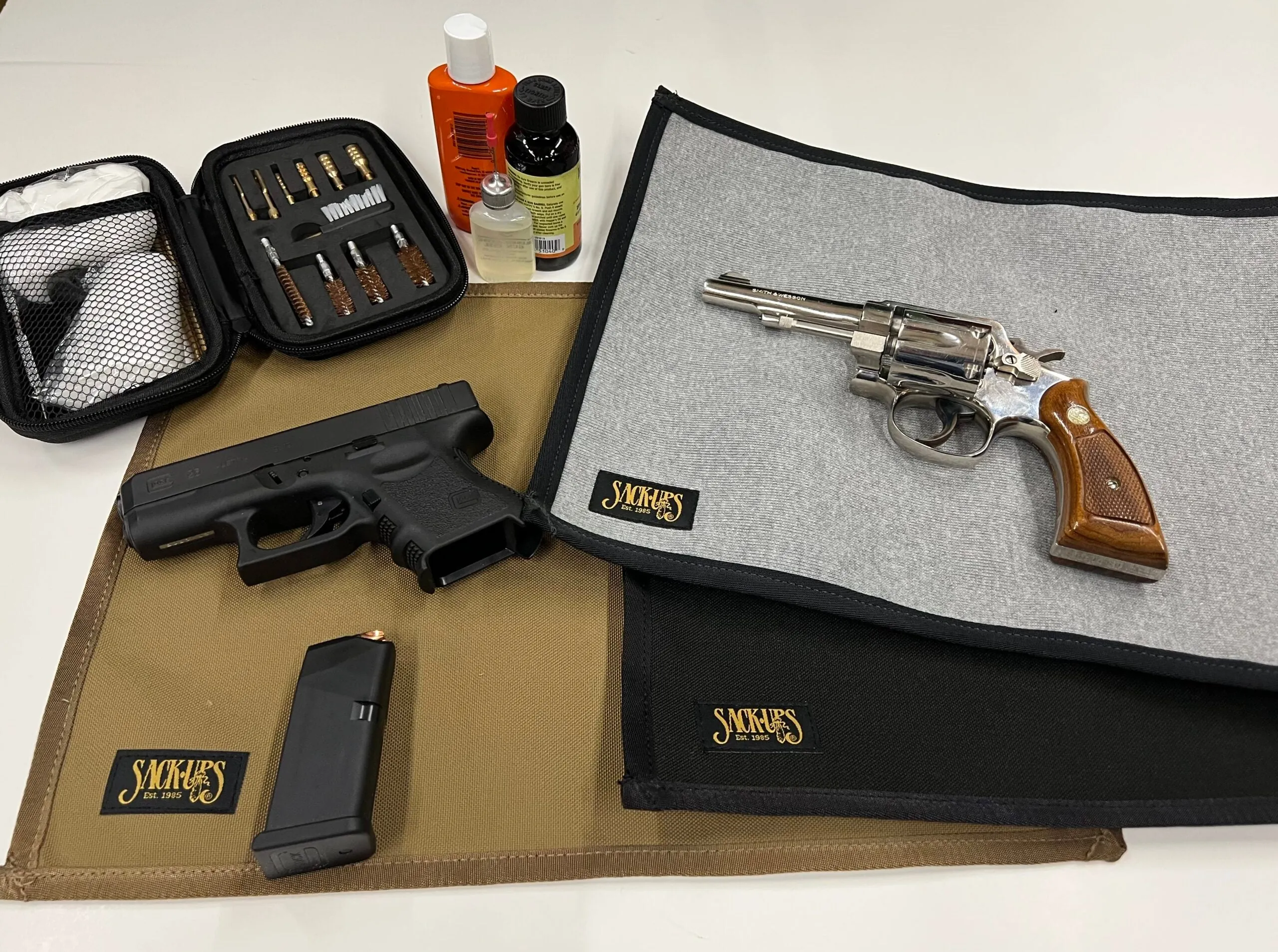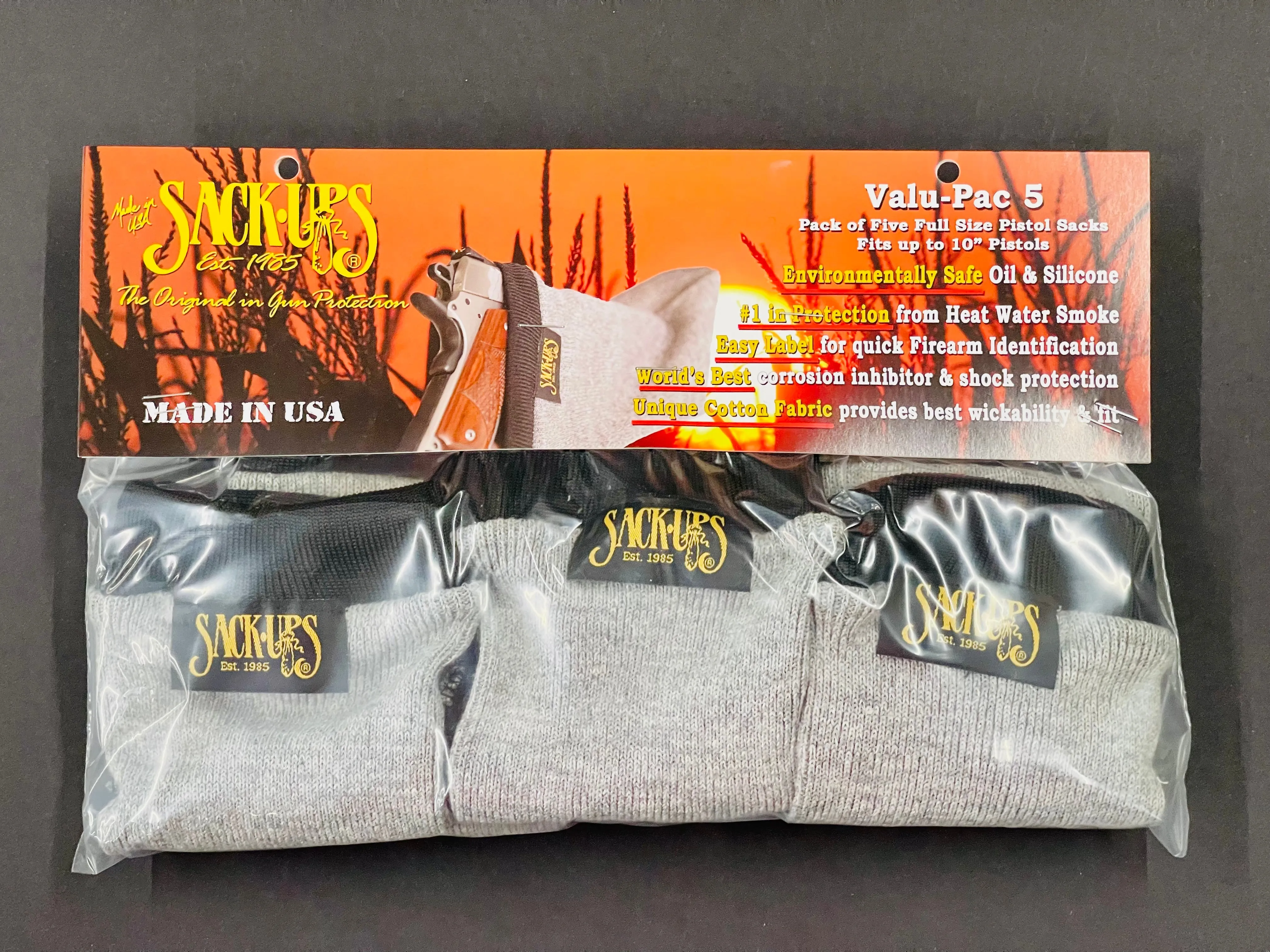
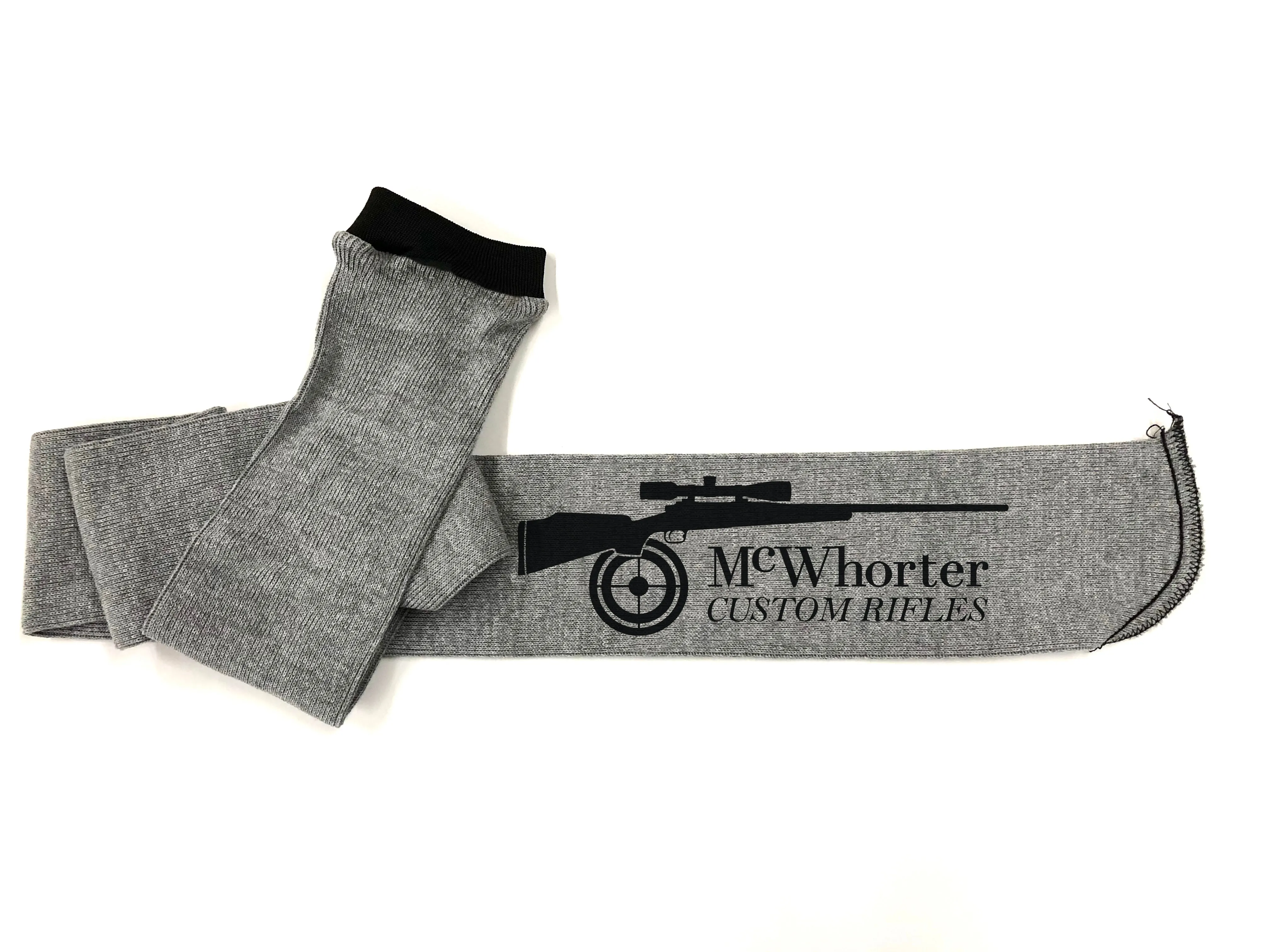
Gun socks are not waterproof, and that is an important distinction. A properly fitted sleeve gives a clean, dry firearm a soft layer against ordinary contact, dust and handling. It does not seal out water, make damp gear safe to store or replace a locked storage plan. If rain, snow, sweat or a spill is part of the day, the right response is to dry and inspect the firearm and its storage materials before everything goes back into an enclosed space.
That answer is less dramatic than a waterproof label, but it is more useful. A firearm storage routine works when each layer has a clear job: secure storage controls access, cleaning and inspection address the firearm’s condition, dry surroundings reduce moisture risk, and a sleeve helps protect the finish from the surfaces around it. A gun sock is a valuable part of that system, not a substitute for the system.
What “waterproof” would mean in practice
A waterproof cover is designed to keep liquid from passing through its material and seams under the conditions it claims to handle. A typical knit gun sock is made to stretch over a firearm, stay soft against its finish and allow easy on-and-off use. Those are useful qualities for everyday storage, but they are not the same thing as a sealed dry bag or a weatherproof hard case.
Water can reach a firearm in ordinary ways that a sleeve cannot solve: a wet truck floor, a damp range bag, rain on a hunt, condensation after a cold trip, or a humid storage room. The fabric can hold that moisture close to the firearm if it is put away wet. That is why a sleeve should begin its job only after the firearm and the sleeve are both clean and dry.
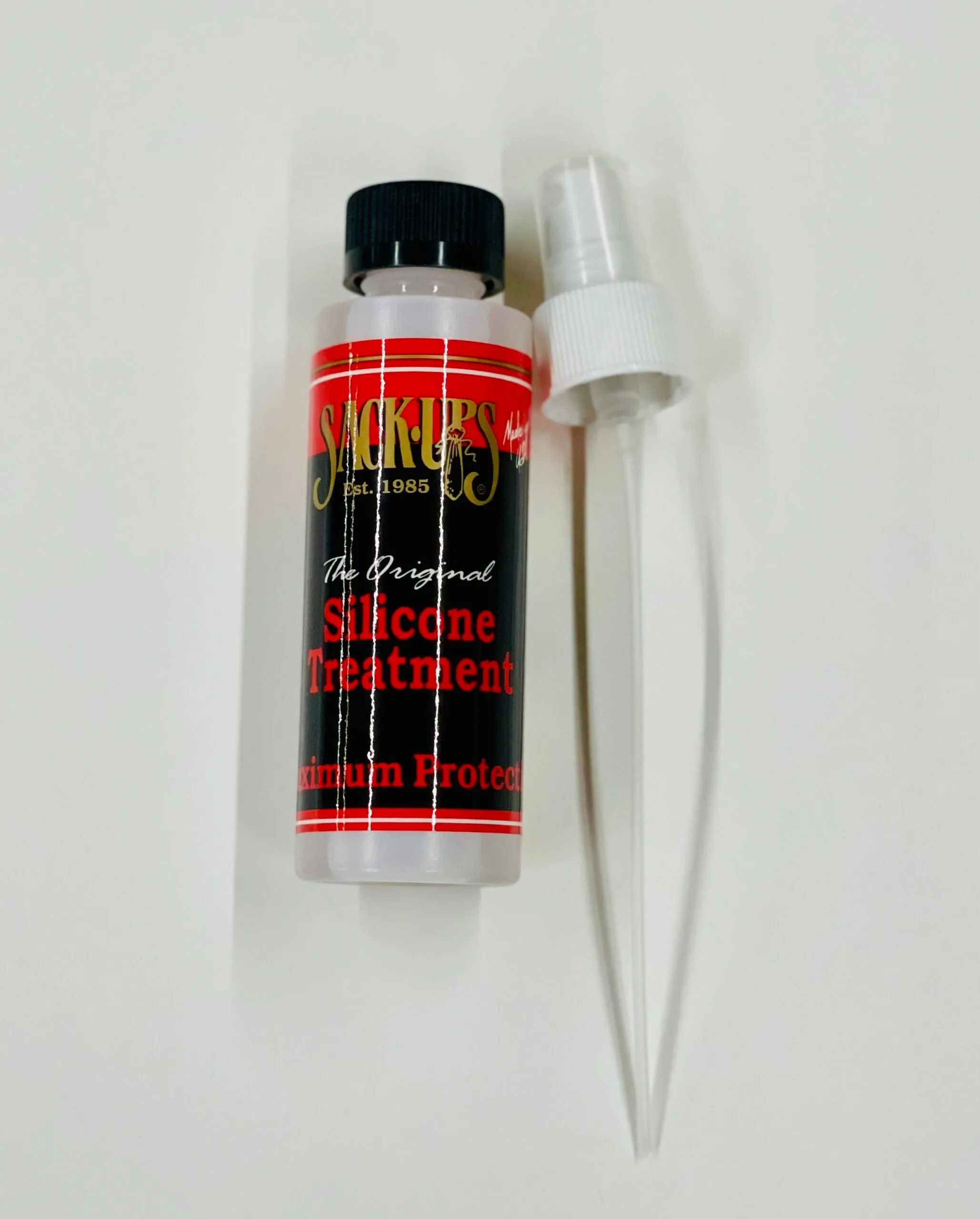
It also helps to separate water resistance from corrosion protection. Some sleeves use silicone treatment or other materials intended to support surface care, but that does not turn a wet sleeve into a dry storage environment. Follow the firearm manufacturer’s instructions for cleaning, lubrication and finish care. A storage sleeve supports that routine, it does not override it.
What a gun sock does well
A gun sock creates a soft boundary between a firearm and the racks, shelves, cases and neighboring gear around it. In a secure safe or cabinet, that can reduce ordinary rubbing when a rifle, shotgun or handgun returns to its assigned position. It also makes it easier to keep each firearm’s protective layer with the firearm instead of relying on a loose cloth that disappears when it is needed.
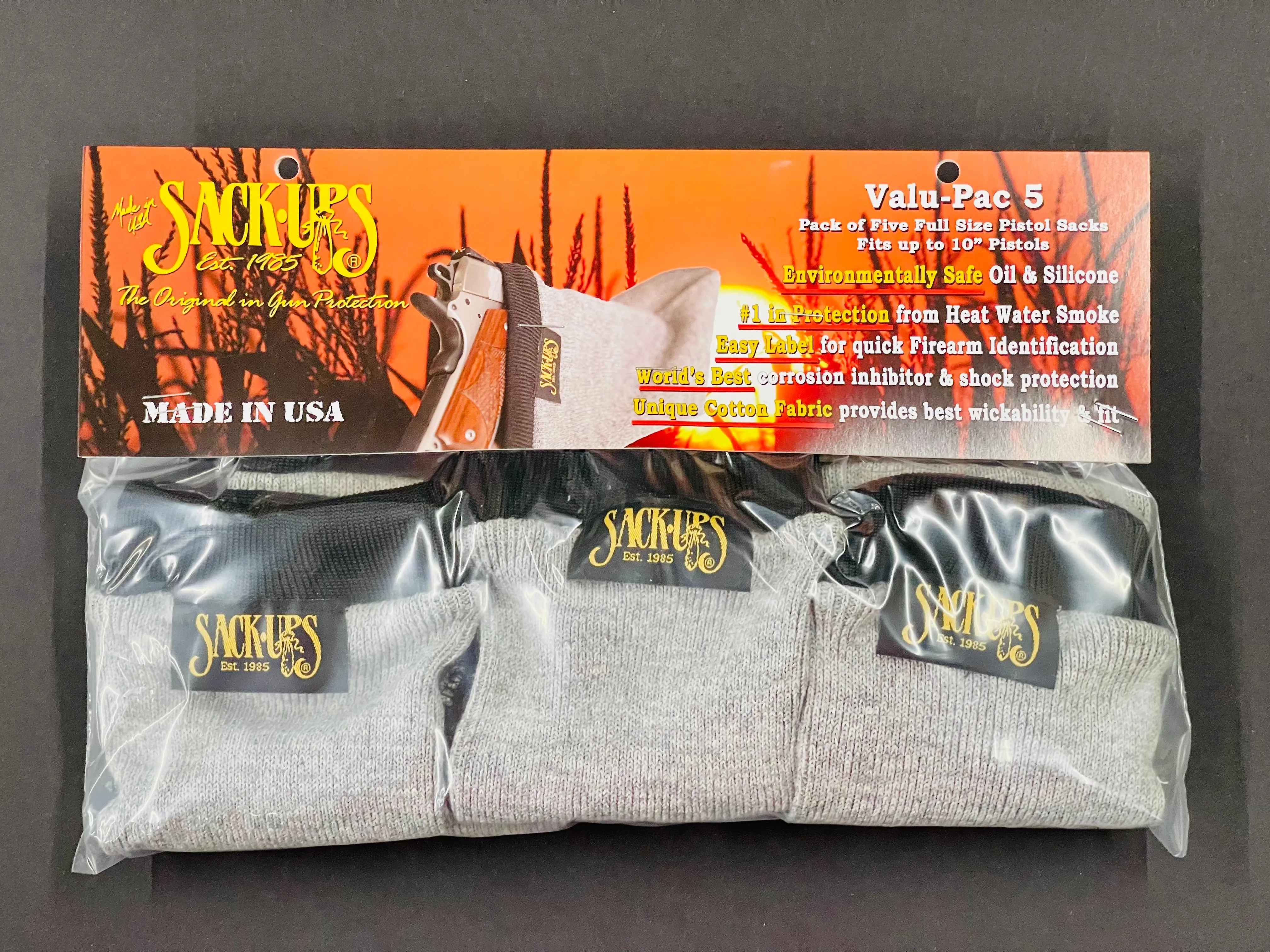
Sack-Ups uses a silicone-treated cotton blend for that everyday role. The material is intended to be soft, practical and easy to use as part of normal storage and transport. Fit matters. A sleeve should move over the complete unloaded firearm without being forced across an optic, sling, tall sight or wider stock. When a sleeve is easy to use, it is much more likely to be used consistently.
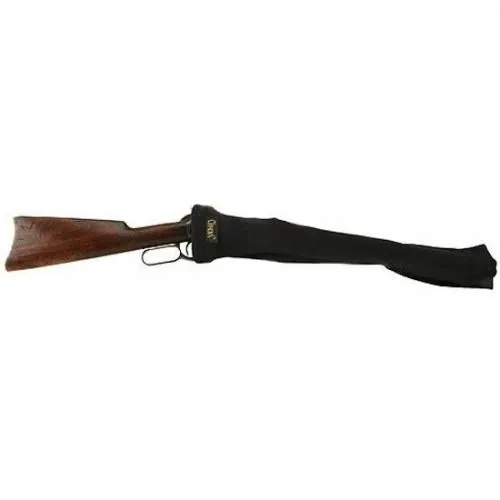
The sleeve also creates a visible check point. Before putting it on, you can notice whether the fabric feels damp, carries grit or needs cleaning. That moment is useful because it prevents a small amount of moisture from being forgotten inside a safe, cabinet or travel case.
What a gun sock cannot do
A gun sock cannot lock a firearm, provide rigid impact protection or make a wet firearm ready for long-term storage. It is not a replacement for a suitable safe, cabinet, lock box or other secure device. Project ChildSafe’s safe-storage guidance advises owners to store firearms in a locked cabinet, safe, gun vault or storage case when not in use and to keep them inaccessible to unauthorized people.
It also cannot make an unsuitable location suitable. A damp basement, unconditioned shed, vehicle or leaky closet may expose firearms and storage materials to conditions that need attention. A sleeve can help with surface contact after the environment is under control. It cannot fix standing water, repeated condensation or a space you rarely inspect.
For a trip with impact risk, stacked gear or a carrier requirement, use the appropriate hard-sided case or secure device. A sleeve can be useful inside that case as a soft inner layer, but it should not be treated as the outer barrier. The gun sock versus hard case guide explains where each layer is strongest.
After rain, snow or a wet range day
Do not rush wet gear into an enclosed case or safe. Once the firearm has been handled according to its manufacturer’s instructions and applicable laws, move it into a dry indoor area. Check the exterior, the sling, the case, the sleeve and the gear that traveled with it. A wet range bag or a damp foam insert can carry moisture back into storage even when the firearm looks dry at first glance.
Let wet materials dry fully before they return to closed storage. Clean and care for the firearm according to its manufacturer’s guidance, then inspect the sleeve before using it again. If its condition is uncertain, set it aside rather than placing it over a firearm. A clean, dry replacement sleeve is more useful than an old one that has held onto moisture or grit from the last outing.
If a firearm was directly exposed to water or its condition is uncertain, ordinary wiping may not be enough. The Sporting Arms and Ammunition Manufacturers’ Institute has published guidance for firearms exposed to water or fire. Use the manufacturer’s advice or a qualified gunsmith when a more thorough inspection is needed.
Watch for condensation, not just obvious water
Water does not have to arrive as rain to create a storage issue. A cold firearm or case brought into a warm, humid room can collect condensation. The practical response is patience: allow the equipment to return to a dry, stable indoor setting, then inspect it before it goes into a closed safe or cabinet. Closing a cool, damp item into a protective layer only makes the conditions harder to see.
A small monitor inside a safe or cabinet can help reveal a pattern, especially after big weather changes. You do not need to chase one universal number. Look for unexpected changes, a musty smell, damp fabric, water marks or a storage area that feels different after storms. The gun storage temperature guide explains why stable conditions and visible checks are more useful than relying on one perfect setting.
Keep the storage space simple enough to inspect. When a safe is crammed full of cases, loose accessories and gear that has not been dried, it is easy for a small problem to stay hidden. Give every firearm and protective layer a clear place, then leave enough room to notice when that place has changed.
When to do an extra storage check
A calendar reminder is useful, but the best checks happen when something in the routine changes. Open the storage area after a long humid spell, a basement leak, a power outage, a wet trip or a move between seasons. You do not need to pull every item apart to do this well. Look at the floor, corners, shelf surfaces, sleeves and cases first. A new smell, damp fabric, water mark or abrupt change on a monitor is a reason to slow down and investigate before putting equipment away again.
For a firearm that came home from the range on a dry day, the routine may take only a minute: follow the manufacturer’s handling guidance, check that the sleeve is clean and dry, then return the firearm to its secure place. After rain or snow, give the process more time. Dry the surrounding gear too. A sling, soft case, vehicle mat or range bag can stay damp long after the exterior of the firearm looks fine.
Do not try to solve an uncertain condition with more product or more layers. If you see possible corrosion, a change in finish, trapped water or a problem you do not understand, stop and consult the firearm maker’s guidance or a qualified gunsmith. The goal is not to make storage complicated. It is to catch an issue while the correct next step is still clear.
Choose the right layer for the job
Use a properly fitted gun sock when the main need is everyday surface protection for a clean, dry firearm in an appropriate secure location. It is especially useful where firearms share racks or shelves and you want a soft layer between finishes. Start with the Sack-Ups Buyer’s Guide to compare the complete firearm’s length and profile with the right style.
Use a hard case when the route involves a greater risk of impact, shifting gear or a rule that calls for rigid protection. For checked airline travel in the United States, the Transportation Security Administration requires firearms to be unloaded, in a locked hard-sided container and declared to the airline. Always check current carrier, destination and local requirements before travel.
Use both when the firearm needs a soft layer inside a rigid case. The sequence still matters: make sure the firearm and sleeve are dry first, then use the hard case for the kind of protection it is designed to provide. That approach avoids the false choice between a soft sleeve and a travel case, because each one has a different job.
For routine home storage, resist the urge to add layers just because they are available. More fabric, foam or closed containers can make the storage area harder to inspect if none of them has a clear purpose. Choose the simplest arrangement that keeps access secure, lets the firearm rest without avoidable contact and makes it obvious when something needs drying, cleaning or a closer look. A storage routine should be easy to reset after every trip, not a puzzle you put off until next season.
Build a simple dry-storage routine
The best routine is short enough to repeat after every outing. Start with secure storage, follow the firearm maker’s care guidance, then use the sleeve only after you have checked the firearm and the storage materials. The gun safe humidity guide and gun safe organization guide can help make those checks easier to see and repeat.
- Return firearms to an appropriate locked storage location after use.
- Keep wet firearms, sleeves, cases and range gear out of enclosed storage until they are fully dry.
- Inspect storage materials for dampness, grit, odor or wear before putting them back into service.
- Use a fitted Sack-Up as a soft layer for clean, dry firearms, not as a waterproof barrier.
- Use a hard-sided case or lockable device when the trip or situation calls for structure and secure access.
- Make seasonal checks after storms, travel or a change in the storage environment.
Gun socks are useful because they make everyday finish protection easy. They work best when the routine around them stays just as sensible: secure storage first, clean and dry conditions, a fit that does not strain, and a quick check before the next time the firearm is put away.
Frequently asked questions
Are gun socks waterproof?
No. A gun sock is a soft protective sleeve, not a waterproof barrier. Keep the firearm, sleeve and surrounding storage materials clean and fully dry before placing them in enclosed storage.
Can I put a wet gun in a gun sock?
No. Let the firearm and sleeve dry first, then follow the firearm manufacturer’s cleaning and care guidance. A wet sleeve can hold moisture close to the firearm inside storage.
Can I use a gun sock in a hard case?
Yes. A clean, dry, properly fitted gun sock can add a soft inner layer in a hard case. It does not replace the hard case, secure storage or any carrier and legal requirements.
What is the best way to store a firearm after rain?
Move it to a dry indoor area, follow the manufacturer’s care instructions, inspect the firearm and all storage materials, and allow anything wet to dry fully before returning it to secure storage.