
The best gun safe dehumidifier is the one that fits the safe, the room and the routine you will actually maintain. There is no single winner for every collection. A powered rod can be a sensible choice when the safe has a properly installed power route. A rechargeable desiccant canister may make more sense when there is no outlet. In either case, the first useful purchase is often a small hygrometer, because it replaces guesswork with a reading you can check.
That order matters. A dehumidifier is one layer in a storage plan, not a substitute for a locked safe or cabinet, careful firearm handling, manufacturer-recommended maintenance or a dry room. It cannot undo water damage, make a wet firearm safe to store or solve a leak in the building. Used in a secure, clean setup, though, the right moisture-control tool can make changing conditions easier to spot and manage before they become a finish problem.
Start with secure storage and a humidity reading
Before choosing a device, make sure the basic storage job is covered. The National Shooting Sports Foundation’s storage guidance calls for unloaded firearms to be kept in a locked cabinet, safe, vault or storage case and made inaccessible to children and unauthorized people. Keep ammunition separately secured, follow applicable laws and use the firearm maker’s handling and care instructions.
Then put a reliable hygrometer inside the safe for several days. Check it at different times of day, especially after rain, a cold front, a change in heating or cooling, or a trip that brought damp gear home. A single reading is only a snapshot. A pattern tells you whether the storage space is consistently dry, trending wetter or changing quickly.
For many home storage setups, a working range around 40% to 50% relative humidity is a practical target. The purpose is not to chase a perfect number. It is to keep conditions dry and stable enough that you notice a change early. The Environmental Protection Agency’s moisture guidance similarly emphasizes controlling moisture at its source rather than covering up the symptoms. If the room is wet, smells musty or has a leak, address that problem first.

Our gun safe humidity guide explains how to use a hygrometer as part of a simple inspection routine. It is a good companion to this article because choosing a dehumidifier without measuring the space first is like choosing a size of sleeve without measuring the firearm.
How gun safe dehumidifiers work
Most products sold for safes fall into two broad groups: low-wattage electric units and desiccant units. They are often described as doing the same thing, but their daily experience is different. The better choice depends less on brand names and more on whether your safe has an appropriate power route, how much room is available and how willing you are to recharge or replace an absorbent material.
An electric rod or small powered dryer generally works by gently warming or circulating the air in the safe. That can help reduce the chance that moisture settles on cool metal surfaces. It needs continuous power and must be installed exactly as its maker directs. A power cord should use the safe’s intended access point, not a pinched door seal, improvised drilling or a crowded extension-cord arrangement. If there is any doubt about safe placement, wiring or clearance, stop and ask a qualified professional.
A desiccant product uses an absorbent material to collect moisture from the air. Some are disposable. Others can be renewed using the method printed by their maker, such as plugging in a recharge unit or heating an oven-safe canister as directed. These are convenient where a continuous outlet is not practical, but they have a maintenance job: once the material is saturated, it needs attention. A full canister left in place is not a moisture plan.
Neither type replaces ventilation, room-level humidity control or inspection after wet weather. A safe in a dry interior room may need only a modest tool and a seasonal check. A safe in a garage, basement, outbuilding or coastal climate may need the room itself addressed before anything inside the safe will stay consistently dry.
Choose the type that matches your setup
Use the decision points below to narrow the field. They are more reliable than a generic “best overall” claim because they start with the constraints of the actual storage space.
Choose an electric rod or powered unit when:
- The safe has a manufacturer-intended cord route and a nearby, appropriate power source.
- You want a set-it-and-check-it routine rather than a recurring recharge schedule.
- The device’s stated coverage, installation instructions and clearances fit the safe.
- You can inspect the cord, plug and device during the same routine used to inspect the safe.
Choose rechargeable desiccant when:
- There is no practical continuous-power route to the safe.
- The safe is small enough for the product’s stated capacity and placement requirements.
- You will notice the saturation indicator and recharge or replace the unit on schedule.
- You want a cordless option for a smaller cabinet, lockbox or secondary storage area.
Choose room-level moisture control first when:
- The hygrometer inside the safe keeps climbing despite a correctly used device.
- The room smells damp, shows condensation, has water intrusion or contains wet equipment.
- The safe sits against wet concrete, near an exterior leak or in an area with large temperature swings.
- You are protecting more than one safe, a vault room or a broad storage space.

A device should never force the decision. If an electric unit does not have a safe, manufacturer-approved way to receive power, do not make the safe fit the device. If a canister’s capacity is too small for the conditions, do not stack up unmonitored containers and hope for the best. Measure, match the tool to the problem and recheck the reading afterward.
Size the solution to the safe, not the collection
Safe size is about interior volume and layout, not simply the number of firearms stored. Shelves, door organizers, fabric liners, documents and densely packed accessories all change airflow. A large safe with plenty of shelf space can behave differently from a smaller safe packed tightly with gear. Read the coverage statement and installation instructions for the exact product, then give it the clear space its maker requires.
For an electric unit, placement matters. It should not be buried under loose fabric, pressed against papers or positioned where a long gun, cleaning rod or door organizer can strike it. For a desiccant canister, put it where you can see the indicator during a routine check and where it cannot tip, leak or be hidden behind gear. A device that cannot be seen cannot remind you to maintain it.
A good storage layout makes the hygrometer visible as soon as the door opens. That is one reason organization does more than make a safe look tidy. Clear zones make it easier to remove a firearm without scraping another item, notice a changed condition and return every piece of gear to a dry place. For practical setup ideas, see our gun safe organization guide.
Do not crowd the safe so tightly that air cannot move around stored equipment. Leave room to inspect the interior walls, floor and door seal. If the safe is at capacity, the next improvement may be better organization, a larger storage solution or reducing what is stored there, not simply adding more moisture-control products.
What to check before buying
A product page can make every option look interchangeable. These questions separate a useful purchase from one that will be ignored in a corner.
- Power: Does the safe have an intended access port, and can the device be connected without pinching a cord or changing the safe?
- Coverage: Is the stated capacity suitable for the safe’s interior volume and the surrounding room conditions?
- Placement: Can the product sit or mount with the clearance its maker specifies, away from fabric and loose gear?
- Maintenance: Does the unit need a recharge, replacement or periodic inspection, and will that routine actually happen?
- Indicator: Can you tell when the desiccant is spent or whether the powered device is operating?
- Instructions: Does the maker provide clear, current installation and safety directions for this exact model?
Skip products that require vague improvisation. A promise that a device is “maintenance free” is not a reason to stop opening the safe. The condition of the room, the seal, the stored gear and the hygrometer still deserve periodic attention. A device is support equipment, not proof that nothing can change.
Use a dehumidifier as part of a dry return-to-storage routine
The most effective time to manage moisture is before it goes into the safe. After a rainy range day, hunting trip or cold drive home, do not rush to close the door. Follow the firearm maker’s care instructions, remove ordinary dirt or fingerprints, and allow the firearm, case, sling, cloth and protective sleeve to dry fully before they go back into enclosed storage. SAAMI’s firearm safety rules are a helpful reminder that safe handling comes before any storage accessory.
Be especially careful about condensation. A cold firearm brought into a warm, humid room can collect moisture. A soft sleeve or closed hard case can hide that moisture rather than solve it. Leave equipment uncovered until it is dry, then return it to its regular secure place. If a sleeve, case liner or range bag is damp, dry it separately before it joins the safe again.

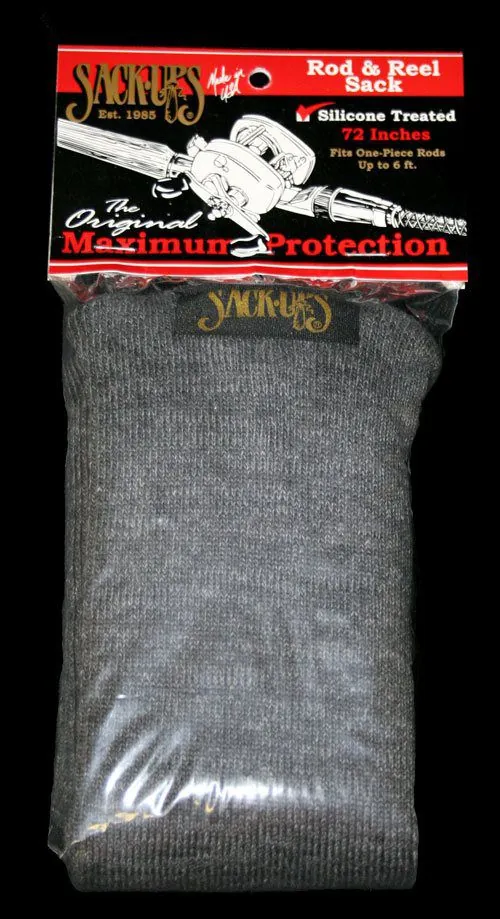
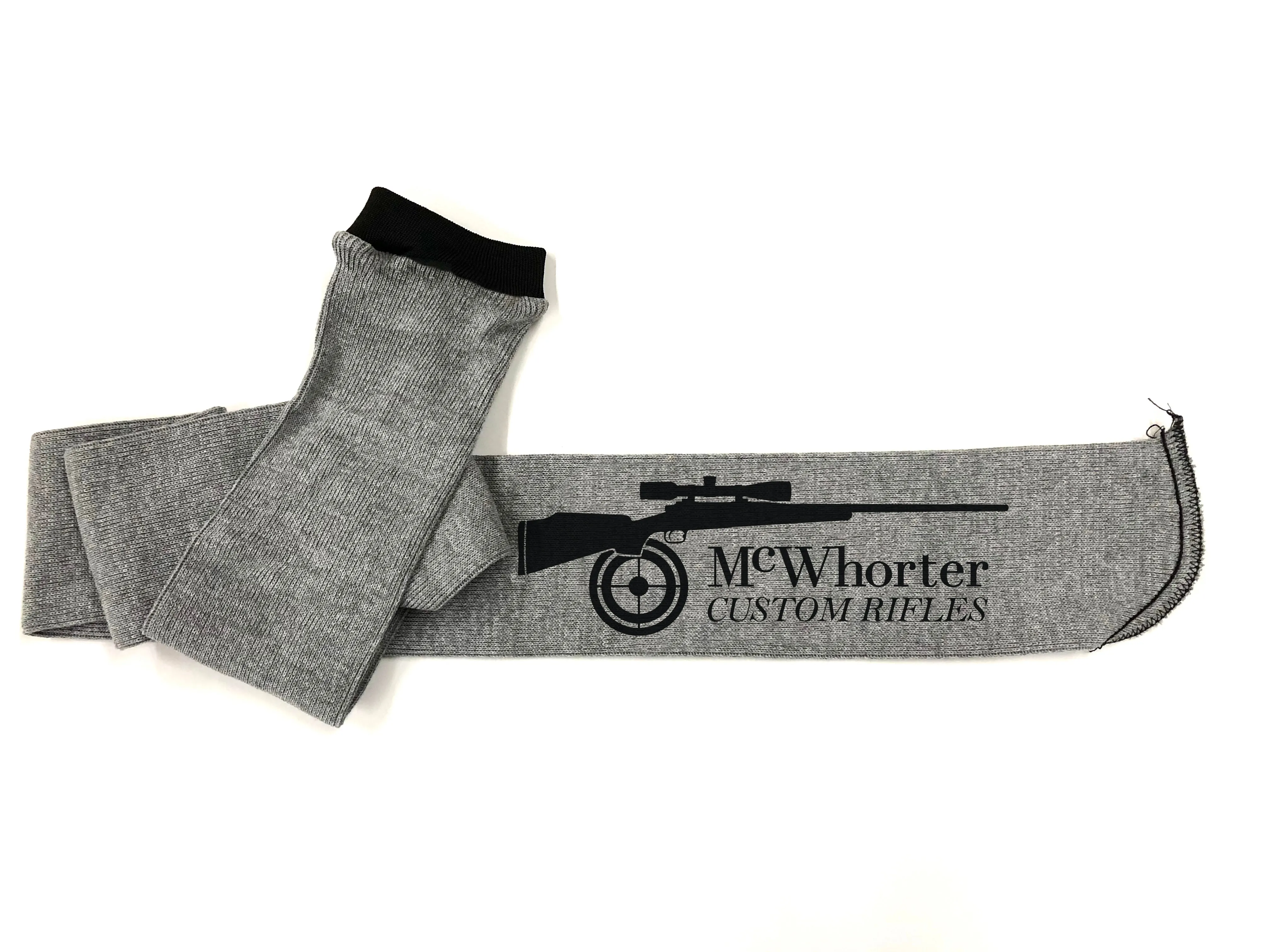
A properly fitted Sack-Ups sleeve can add a soft layer that helps reduce ordinary contact with dust, shelves and neighboring gear. It is not a desiccant, lock or hard case. Use it only on a clean, dry firearm inside an appropriate locked storage setup. The Gun Socks overview and Find Your Fit guide can help you choose a sleeve size after the storage environment is handled.
Set a simple inspection schedule
The best maintenance schedule is one you will keep. For a consistently dry, climate-controlled interior room, a quick seasonal check may be enough. For a garage, basement, outbuilding or climate with frequent swings, check more often and after weather events. Open the safe, read the hygrometer, look at the floor and interior walls, and inspect a representative firearm and the moisture-control device.
Look for a trend rather than waiting for visible rust. A persistent increase in humidity, musty odor, damp liner, wet fabric, loose seal or unexplained condensation calls for action. Start with the room and obvious moisture source. Then check whether a desiccant unit needs renewal or a powered device is installed and operating according to its instructions. If you find corrosion, a damaged component or anything that could affect safe operation, follow the manufacturer’s guidance or seek help from a qualified professional before returning the firearm to storage or service.
Keep the inspection calm and repeatable. You do not need an elaborate system of alarms and products to care for a home collection. You need a secure place, dry gear, a visible reading, the right tool for the safe and enough room to notice when something changes.
Common mistakes that make moisture control less effective
The first mistake is treating the safe as a sealed solution to every storage problem. A safe may protect against unauthorized access and provide useful physical protection, but it still contains the air that was present when the door was closed. If damp gear, a wet room or a temperature swing introduces moisture, the safe needs to be part of the response, not the place where the problem disappears from view.
The second mistake is buying a device before measuring. A hygrometer costs far less than a damaged finish or an unnecessary stack of accessories. Place it where it is easy to see, give it time to reflect ordinary conditions and make a note of the reading after major weather changes. This turns the decision from an online guess into a response to your own storage space.
The third mistake is hiding the device. A desiccant canister behind a range bag or a powered rod under a loose fabric liner is easy to forget and harder to inspect. Place moisture-control equipment where it has the clearance the maker calls for and where you can see it at a glance. That also makes it easier to spot a tipped container, a loose cord or a saturation indicator that needs attention.
The fourth mistake is assuming more products automatically mean more protection. Several small canisters do not correct a wet basement, and an electric unit does not make it safe to store a firearm that is still cold and damp from travel. Start with the room, the return-to-storage routine and the hygrometer. Add one correctly matched device, then check whether the reading and conditions improve.
Finally, do not let a protective accessory hide a maintenance issue. A sleeve, hard case, desiccant or safe liner should make inspection easier, not give a reason to avoid it. If a firearm, case or storage area develops an unusual odor, corrosion, discoloration or moisture, pause the routine and address the cause. The goal is not to keep the door closed longer. It is to keep the whole storage system dependable.
When a dehumidifier is not the right first fix
Sometimes the right answer is not another device inside the safe. If the storage room has visible water intrusion, a pipe leak, persistent condensation, wet concrete or a damaged exterior seal, solve that source first. A small safe accessory is not designed to overcome an actively damp building. The same applies when the safe is parked in an area that becomes extremely hot, cold or humid during the year. Improving the room may do more for the collection than changing a canister.
A dehumidifier also cannot repair a compromised safe seal, damaged interior liner or a storage arrangement that traps wet fabrics and cases. Open the safe and inspect the full interior. Check the door gasket, floor, corners, shelf supports and door organizer. Look at the cases, cloths and slings that travel in and out of the space. Often the clue is not the firearm at all, but an item that came home wet and was put away quickly.
Be careful with quick fixes that add uncontrolled heat, improvised electrical components or household products not designed for enclosed firearm storage. Follow the product maker’s instructions exactly, including placement, power requirements, recharge method and replacement schedule. If a product’s directions are unclear, skip it. The right tool should make the storage routine safer and simpler, not create a new concern every time you close the door.
For firearms affected by floodwater, fire, firefighting chemicals or severe corrosion, routine cleaning and a new moisture-control device are not enough. Hidden damage can affect safe operation. Follow the firearm manufacturer’s guidance and consult a qualified professional before returning a damaged firearm to service or relying on normal storage practices.
A five-minute safe check
Once the setup is working, a short check helps keep it that way. There is no need to turn every visit to the safe into a long project. Build a few questions into the moment you already open the door:
- Does the hygrometer show a reading consistent with the usual range for this safe?
- Is the interior dry, clean and free from a musty smell or visible condensation?
- Is the moisture-control device in place, clear of loose gear and ready for its next recharge or check?
- Are sleeves, cases, cloths and slings dry before they return to enclosed storage?
- Can each stored item be removed and inspected without scraping or crowding the others?
That five-minute check is especially valuable after a wet outing, a seasonal weather change or a period when the safe has not been opened. It catches the ordinary things that create trouble over time: a case that was put away damp, a full desiccant unit, a shifted hygrometer or a room condition that has quietly changed. A storage plan that makes these checks easy is stronger than one that depends on memory or a single purchase.
Make the choice easy to live with
The right device should fit the way the safe is used. If the safe is opened often, a visible hygrometer and an easily inspected powered unit may be convenient. If it is a smaller secondary safe with no practical cord route, a rechargeable desiccant may be the simpler choice. If the safe sits in a difficult room, a room-level solution and a closer inspection rhythm may be more valuable than either option alone.
Choose the lowest-maintenance option that you can monitor honestly. A homeowner who will never remember to recharge a canister should not depend on one. A homeowner who cannot safely route power to the safe should not force an electric rod into the setup. This is not about buying the most equipment. It is about creating a repeatable, calm storage habit that keeps the safe secure, dry and easy to inspect throughout every season.
Once the system is in place, give it time to show you whether it works. Check the hygrometer over several ordinary days, then after a weather change. If the reading stabilizes and the interior stays clean and dry, keep the routine simple. If it does not, investigate the room and the safe itself rather than assuming a larger accessory is the answer.
The practical answer
The best gun safe dehumidifier depends on power access and upkeep. Choose a correctly installed electric rod or powered unit when the safe supports it and you want continuous operation. Choose a rechargeable desiccant when a cordless option fits the safe and you will maintain it. In either case, use a hygrometer first and keep the room itself dry.
That approach is more useful than chasing a universal winner. It protects the things that matter: a secure storage routine, a clean and dry firearm, a storage space you can inspect and a clear signal when conditions need attention. A moisture-control product can support those habits. It cannot replace them.
Frequently asked questions
Do I need a dehumidifier in my gun safe?
A hygrometer should guide that decision. If the safe stays in a dry, stable room and readings remain in a sensible range, a small device may be enough or unnecessary. If readings rise, the room is damp or the safe has changing conditions, choose a moisture-control option that fits the safe and maintain it as directed.
Is an electric rod or desiccant better for a gun safe?
Neither is better in every situation. An electric rod can suit a safe with an appropriate manufacturer-intended power route and a regular inspection routine. A rechargeable desiccant can suit a smaller safe or a setup without continuous power, provided it is renewed when the indicator shows it is spent.
What humidity should a gun safe be?
For many home storage situations, roughly 40% to 50% relative humidity is a practical working range. The important point is to use a hygrometer, watch the trend and correct a damp room or storage problem rather than relying on one exact number.
Can a gun sock prevent moisture damage?
No. A clean, dry, properly fitted gun sock provides a soft protective layer, but it does not remove moisture, lock the firearm or replace inspection. Use a sleeve only after the firearm and storage environment are dry and inside appropriate secure storage.