
Gun socks can be a useful part of long-term firearm storage, but they are not the storage plan by themselves. Their job is simple: add a soft, breathable layer that helps reduce ordinary contact with dust, shelves and neighboring gear. The secure location, the condition of the firearm and the moisture level in that location still do the heavier work.
That distinction matters when a firearm will sit for months rather than days. A sleeve cannot make a damp basement dry, replace a locked cabinet or safe, or correct a firearm that was put away wet or dirty. Used after a careful return-to-storage routine, though, a properly sized gun sock helps make a good setup more forgiving. It keeps a rifle, shotgun or handgun from rubbing against nearby equipment while leaving the firearm easy to remove and inspect.
Start with secure storage, not the sleeve
Long-term storage begins with access control. The National Shooting Sports Foundation’s storage guidance says unloaded firearms should be kept in a locked cabinet, safe, vault or storage case and made inaccessible to children and other unauthorized people. Store ammunition separately in its own locked location, then follow every applicable local, state and federal requirement.
A gun sock is not a lock, a case or a substitute for safe handling. Think of it as the soft layer inside a broader system. The locked safe or cabinet controls access. The storage environment limits moisture and accidental bumps. The sleeve helps reduce finish-to-finish contact when a firearm shares space with other equipment. Each layer has a different job, and the system only works when none of those jobs is skipped.
Before placing any firearm in long-term storage, verify it is unloaded using the procedure in its owner’s manual and keep the muzzle in a safe direction throughout handling. SAAMI’s firearm safety rules are a useful reminder that storage begins with the same discipline used at the range or in the field. If you are unfamiliar with a firearm or see a condition that concerns you, stop and consult its manufacturer or a qualified gunsmith.
It is also worth separating protection from access. A soft sleeve can make a stored firearm easier to keep from rubbing against nearby gear, but it must never make the firearm seem less serious to handle. Keep keys, combinations and storage routines under the control of responsible adults. When a household’s needs change, revisit the storage plan instead of assuming that the same arrangement will suit every season, guest or family member.
What gun socks actually help with
A clean, dry gun sock gives a stored firearm a little personal space. In a safe, cabinet or closet, that can mean fewer small scuffs from a sling buckle, scope, neighboring stock, cleaning rod or other hard gear. It can also keep ordinary dust off a firearm that is inspected less often. The benefit is most practical when several long guns share one storage area or when a stored firearm has to move through a crowded room on the way in or out.
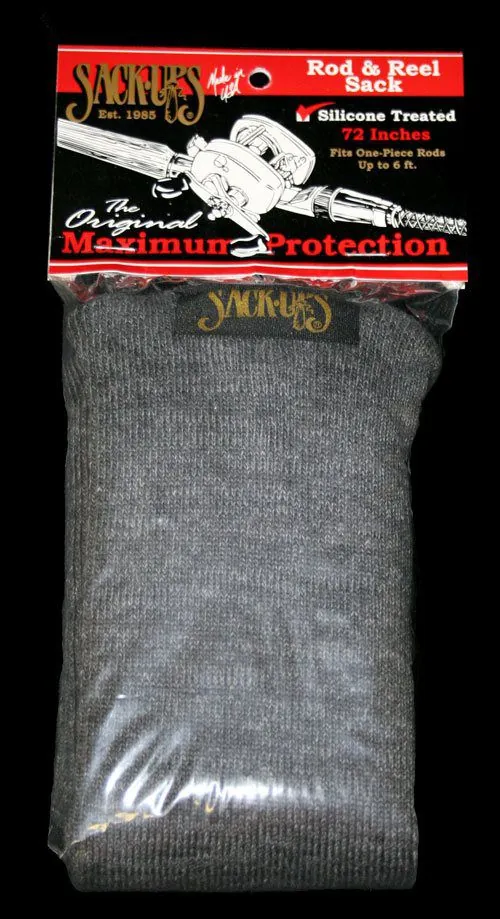
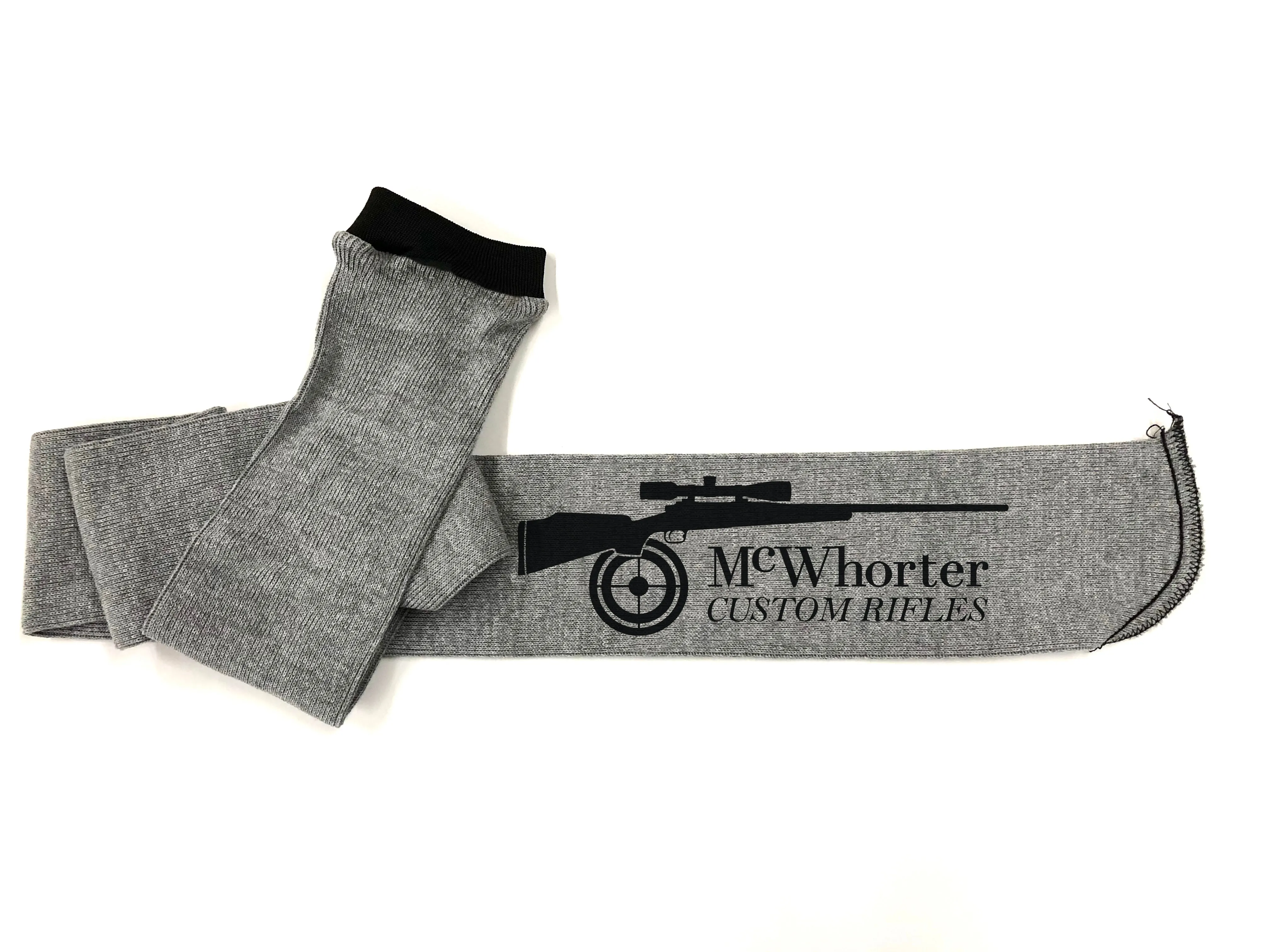
Sack-Ups are silicone-treated cotton sleeves made for firearm and gear storage. Cotton is a sensible choice for a soft protective layer because it is not trying to seal a firearm inside a plastic bag. A sleeve should go on only after the firearm and sleeve are dry. If a sleeve feels damp, has picked up grit or has been exposed to a wet range day, let it dry completely and clean or replace it before putting it back into service.

What a sock does not do is more important than many product claims suggest. It does not dry wet metal. It does not secure the firearm. It does not protect against crushing force, floodwater, fire or a hard impact during travel. For transport, choose the case or container appropriate for the trip and applicable rules. For long-term storage, choose the locked location first, then use a sleeve as a protective finishing layer.
Prepare the firearm before it goes away
Do the maintenance the maker recommends after the last use of the season or before an extended break. That may include removing fouling, fingerprints, dirt or residue, then applying any approved protectant exactly as the manufacturer directs. Avoid improvising with cleaners or lubricants that are not meant for the firearm. A thick coating of the wrong product can create its own problems, and products that are useful for one purpose are not automatically right for long storage.
Give special attention to the places that are easy to overlook: under a sling, around the action, beneath a scope mount, on metal that touched damp gloves and inside a case that came home from a wet day. A clean storage routine is not about making a firearm look perfect before it disappears. It is about finding a small change while there is still time to address it properly.
Then let the firearm reach room temperature and dry fully before it is covered. Moving a cold firearm from a vehicle into a warm, humid room can create condensation. A gun sock should never be used to hide that moisture. Leave the firearm uncovered until its surfaces are dry, and do the same with any case, strap or sleeve that was exposed to rain, snow or a damp range bag.
If storage follows a hunting trip or a range session, slow down before closing the safe door. Empty range bags, remove wet towels and separate damp items from the equipment that is ready to store. A few minutes spent letting air move through the gear prevents a soft sleeve or closed case from becoming the last place moisture stays. Once everything is dry, return each item to its usual place so the next inspection starts from an orderly baseline.
Keep the storage environment visible
The safest sleeve is still only as good as the space around it. A locked safe or cabinet should be located where it stays as dry and stable as practical, away from obvious leaks, wet concrete, direct weather exposure and spots where tools or heavy objects can strike it. Open the door periodically. A musty smell, a damp liner, a change in a hygrometer reading or moisture on nearby surfaces is a signal to inspect rather than wait for the next season.

A simple hygrometer makes an invisible condition easier to manage. Our gun safe humidity guide explains a practical working range of 40% to 50% relative humidity for many home storage situations, along with the signs that the room itself may need attention. The goal is not to chase a perfect number. It is to notice a trend early and follow the instructions for any moisture-control product you use.
Do not assume that a safe automatically solves every moisture issue. Basements, coastal areas, seasonal temperature swings and recent water intrusion can all change the conditions inside. If a firearm has been exposed to floodwater, fire or firefighting chemicals, it needs more than routine storage care. SAAMI notes that hidden damage can affect safety after these events, so follow the manufacturer’s guidance and seek qualified inspection before returning it to service.
Choose the right fit and give each firearm space
Use a sleeve that fits the firearm’s overall profile without forcing it. A very tight sleeve can snag on a scope, front sight, sling swivel or other protrusion. One that is dramatically oversized can bunch up and make the firearm awkward to remove. Measure the longest dimension, account for optics and grips, and check the product’s fit guidance before buying.
For long guns, leave enough clearance to remove one firearm without scraping past another. For handguns, avoid piling sleeved firearms underneath heavy accessories or loose tools. A well-organized safe makes it easier to see a problem, verify what is present and perform an occasional inspection. The gun safe organization guide has a simple approach for creating clear zones for long guns, handguns, maintenance supplies and documents.

For shoppers comparing sizes, Sack-Ups’ Find Your Fit guide is the best place to start. It helps match the shape and length of a firearm to a sleeve designed for it. That fit decision is a practical one, not a security decision: use the sleeve that covers the firearm comfortably, then keep the entire setup inside appropriate locked storage.
Set an inspection rhythm that you will actually keep
Long-term storage should not mean forgotten storage. A short seasonal check is usually more useful than an elaborate routine that never happens. Open the safe or cabinet, look for changes in the room, check the hygrometer if you use one, and inspect a few representative firearms and sleeves. If the collection is large, rotate through it rather than pulling every item out at once.
Look for moisture, dust that suggests a poor seal or disturbed storage area, unusual odor, discoloration, abrasion, a sleeve that no longer feels dry or a firearm that needs cleaning. If you notice corrosion, a damaged component or anything that affects safe operation, do not cover it and put it back. Follow the manufacturer’s care instructions or contact a qualified professional.
This rhythm also helps you avoid one of the most common long-storage mistakes: assuming that protection is permanent once the door closes. A sleeve is a good supporting layer because it is easy to inspect, remove and replace. It should make the next check simpler, never discourage it.
Keep the routine proportionate to the collection and the climate. A firearm in a consistently dry interior safe may need only a quick seasonal look. A safe in a garage, basement or area with changing weather deserves more attention. The important point is consistency: a storage plan you can repeat is more valuable than an ambitious checklist that only gets used after there is already a problem.
A practical long-term storage checklist
- Verify the firearm is unloaded and follow its owner’s manual before storage.
- Store firearms in a locked safe, cabinet, vault or appropriate locked case, inaccessible to unauthorized people.
- Store ammunition separately in its own locked location.
- Clean and protect the firearm according to the manufacturer’s instructions.
- Let the firearm, case and sleeve dry completely before covering or closing them up.
- Use a correctly sized Sack-Ups sleeve to reduce ordinary contact and dust inside secure storage.
- Keep firearms separated from tools, heavy cases and anything that can rub or fall against them.
- Check the storage area after major weather changes, leaks, damp trips or long seasonal breaks.
Gun socks for long-term storage work best when they stay in their lane. They provide a clean, soft buffer around a prepared firearm. The locked storage location controls access, a dry environment protects the larger system and a regular inspection keeps small issues from becoming bigger ones. If you need a durable protective sleeve for a clean, dry firearm, explore Sack-Ups gun socks and choose the fit that matches your equipment.
Frequently asked questions
Are gun socks good for long-term storage?
A clean, dry gun sock can be a useful protective layer for long-term storage because it helps reduce ordinary contact, dust and light abrasion. It should be used only after the firearm is prepared and dry, inside a secure locked storage location.
Can a gun sock prevent rust?
A gun sock is not a replacement for a dry environment, proper maintenance or regular inspection. Silicone-treated cotton sleeves can be one supporting layer, but moisture control and the firearm manufacturer’s care instructions remain essential.
Should I store a firearm in a gun sock inside a safe?
Yes, a correctly sized, clean and dry sleeve can be used inside a locked safe or cabinet to help separate a firearm from neighboring gear. Make sure the firearm and sleeve are completely dry, and check the storage area periodically.
How often should I check firearms in long-term storage?
A short seasonal check is a practical starting point, with additional checks after a leak, major weather change, damp trip or any sign that storage conditions have changed. Follow the firearm manufacturer’s maintenance guidance for the specific model.