Gun safe humidity is worth managing because a locked safe is not automatically a dry safe. Air, temperature changes, damp gear and the conditions in the room around the safe can all affect what happens inside over time. The useful goal is not to chase a number every hour. It is to keep the storage space consistently dry, easy to inspect and free from the sudden changes that can leave moisture on metal, wood, optics, cases or protective materials.
For many home storage setups, a relative-humidity reading around 40% to 50% is a sensible working range. That is dry enough to reduce the moisture concerns that come with stored metal while avoiding the overly dry conditions that can be hard on wood components and seals. The exact best setting depends on the firearm, the safe, the local climate and the manufacturer guidance for the products involved. A steady, visible routine matters more than chasing a perfectly exact reading.
1. Start with the room around the safe
The safe does not live in isolation. A basement, garage, outbuilding or exterior wall can expose it to conditions that a stable interior room does not. Before buying a humidity-control product, look for the simple causes of changing conditions: a leak, a damp floor, poor airflow, a wet range bag left beside the safe or large swings between daytime heat and nighttime cold.
Start with the most controllable setting. Keep the safe away from obvious water sources, allow room around it for normal cleaning and do not use the top or bottom of the safe as a holding place for wet boots, cases or outdoor gear. If the storage room is consistently damp, address that larger room condition as well. A small safe accessory has a harder job when the surrounding space is working against it every day.
Secure access remains the first job of firearm storage. The National Shooting Sports Foundation's firearm safety rules emphasize deliberate handling and confirming a firearm is unloaded before it is put away. Once that step is complete, a dry and orderly storage space makes the rest of the routine easier to repeat.
2. Use a hygrometer before guessing
A hygrometer is a small humidity monitor. It gives you a starting point and helps you notice a meaningful change before it becomes a surprise. Put it where you can read it during a normal safe check, not behind cases or on a shelf that requires moving firearms to reach. Give a new monitor time to settle after the safe has been opened and closed, then pay more attention to the trend over several days than to one reading taken right after a humid afternoon.
It helps to take a simple baseline reading in the room outside the safe and another inside it. If both readings rise and fall together, the room may be the main issue. If the safe stays noticeably higher than the room, look for damp items, crowded airflow, a door seal concern or a moisture-control product that needs attention. You do not need a complicated chart. A note on your phone after a weather change, wet outing or seasonal shift is often enough to show a pattern.
Do not treat a monitor as permission to ignore the rest of the safe. A good reading does not cancel a wet sling, a damp case, fingerprints on a finish or a storage shelf that has become too crowded to inspect. It simply helps turn humidity from an invisible concern into a condition you can manage deliberately.
3. Choose a reasonable target, then keep it steady
There is no single gun safe humidity number that works for every collection and climate. A practical 40% to 50% relative-humidity range gives many home owners a useful target to work from, but stable conditions are more important than forcing the reading to an exact point. Let the firearm maker's instructions guide maintenance decisions, especially for older firearms, wood stocks, leather accessories, optics and specialized finishes.
Very high humidity raises the chance that ordinary moisture can linger on metal and in fabric. Very low humidity can be hard on wood, leather and some seals over time. Fast changes can be just as frustrating as an average reading that is a few points away from your preferred target. The right response to a reading outside your range is usually measured: check the safe, inspect the storage materials, confirm the monitor is placed well and adjust the moisture-control method according to its directions.
Keep the setting practical for your home. A person in a humid coastal climate may need more frequent checks than someone in a dry interior climate. A collection that comes home wet after a hunt needs attention before it goes into closed storage, regardless of what the monitor says. The aim is a stable, dry environment that you can actually maintain.
When a reading is higher than normal, begin with the obvious checks before making a major change. Confirm that the safe was not recently opened for a long period, look for a wet item that came in with the last trip and check whether the moisture-control product is due for service. If the higher reading persists after those steps, improve the room conditions or use a product designed for the safe's size. A gradual, documented adjustment is more useful than adding several products at once and not knowing which one is helping.
When the reading is lower than usual, do not assume that lower is always better. Look at the trend, consider seasonal heating and check the firearm maker's care advice for wood, leather and other sensitive materials. Consistency is the standard to aim for. A routine that gives you a predictable storage environment is easier to live with than one that requires constant adjustment.
4. Match the moisture-control method to the space
Desiccant containers, rechargeable units and electric dehumidifiers can all have a place in firearm storage. The right option depends on the safe's size, the local climate and how much moisture the room is introducing. A compact desiccant product can be useful in a small, enclosed space when it is visible and serviced on schedule. An electric option may make more sense for a larger safe or persistently humid setting, provided it is installed exactly as the manufacturer directs.
Choose one method you can maintain instead of filling the safe with several products you forget to check. Follow the product instructions for placement, recharging, replacement and electrical safety. Do not place a unit where it blocks a door, crowds a firearm or becomes hidden behind a stack of cases. The best setup is one you can see at a glance when you open the safe.
Remember what these products cannot do. A dehumidifier will not dry a wet firearm, a soaked sleeve or a damp range bag that has been shut inside the safe. After a wet outing, let the firearm and every storage material dry fully in a suitable indoor space, then complete the manufacturer-recommended care before returning them to closed storage.

5. Keep sleeves, cases and gear dry too
Humidity management is not only about the air. The materials that touch or sit near a firearm matter just as much. A protective sleeve should be clean and dry before it goes into a safe. A wet case, muddy range bag, damp sling or rain-soaked garment belongs outside the storage space until it has been cleaned and dried. Bringing that moisture into a closed safe can undo the care you took with the monitor and dehumidifier.
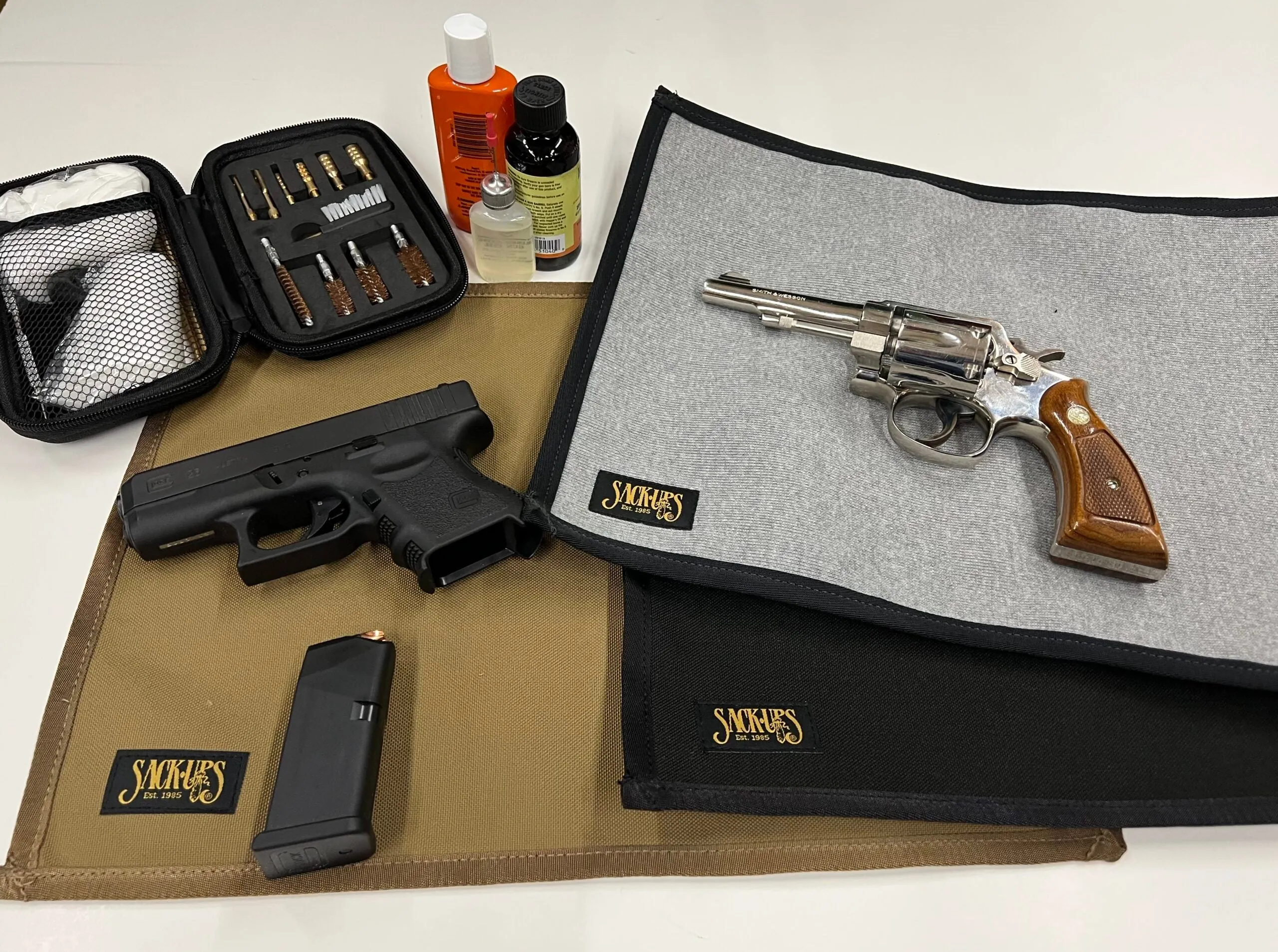
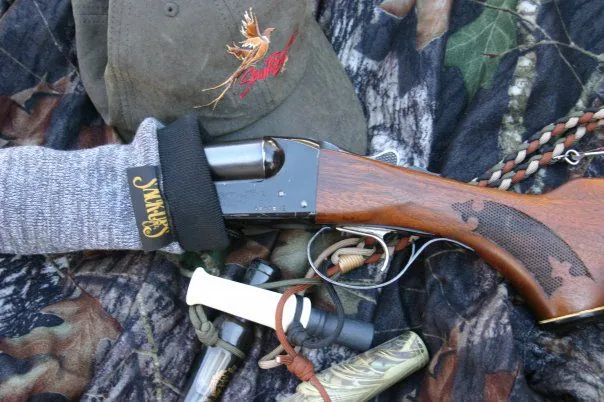
Sack-Ups' silicone-treated cotton blend is designed to provide a soft layer between firearms and the surfaces around them during storage and transport. It is not a replacement for secure storage, a dry environment or manufacturer-recommended maintenance. The Why Cotton guide explains how the material fits into a broader protection routine, while the gun-maintenance collection can help keep the everyday care supplies in one place.
Make the clean, dry version of each item the default. Keep range equipment separate from the items that stay inside the safe. If a sleeve comes back from a wet trip, inspect it before returning it to storage. That small distinction keeps a well-maintained safe from slowly taking on the conditions of the last outing.
6. Give air and inspections room to work
A safe packed to its advertised capacity can be difficult to inspect and difficult to keep orderly. Wide stocks, slings, scopes, handgun shelves, documents and cases all take room. Leave enough space to remove one firearm without sliding it across another, and keep moisture-control supplies where they will not disappear behind gear. A sleeve can help reduce ordinary contact, but it cannot make a crowded row easy to check.
For a mixed collection, create clear zones for long guns, handguns, maintenance supplies and documents. The gun safe organization guide walks through a simple layout approach that leaves room to see what needs attention. When a new firearm, scope or accessory changes the fit, adjust the arrangement then instead of waiting for the safe to become frustrating to use.
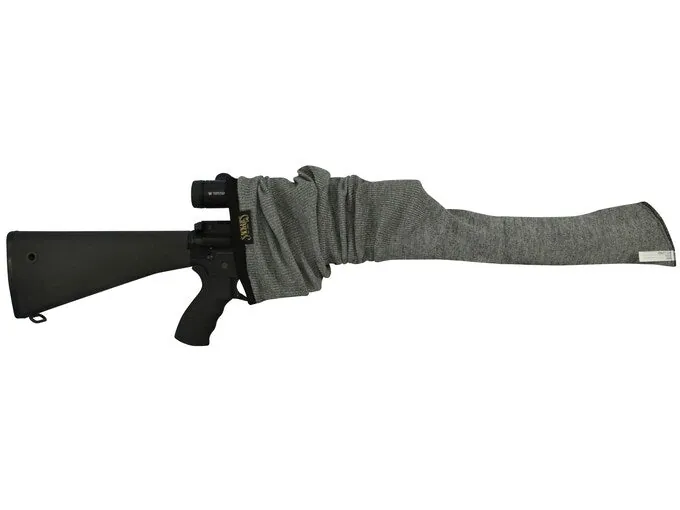
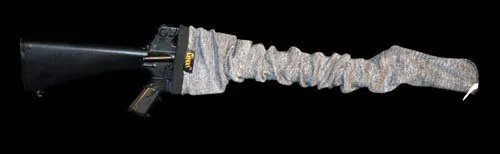
Fit is part of a sensible storage plan. Measure the complete unloaded firearm, including the details that add length or bulk, before choosing a sleeve. The Sack-Ups fit guide helps compare common sizes, and the rifle socks, shotgun socks and pistol socks pages help narrow the choice by firearm type.
7. Use a short humidity check after weather changes
A calendar reminder once a month is a useful starting point, with an extra check after a wet hunt, a significant weather swing, a move or a change in the room where the safe sits. Open the safe, read the monitor, look at the moisture-control product, then inspect the easy-to-see surfaces and storage materials. You are looking for a changing condition, not inventing a reason to handle every firearm unnecessarily.
- Read the hygrometer and compare it with the normal range for your setup.
- Confirm the dehumidifier or desiccant product is visible and current according to its instructions.
- Check for a damp sleeve, case, sling, range bag or unusual odor.
- Look for crowded rows, loose gear or surfaces that are becoming difficult to inspect.
- Follow the firearm manufacturer's guidance for any cleaning, lubrication or care that is needed.
- Make sure the safe closes and secures without interference.
The safe gun storage checklist covers the broader return-to-storage routine. Pairing that routine with a quick humidity check gives you a clear process after the range, after a hunt and during the months when firearms are used less often.
How Sack-Ups supports a dry, organized safe
Sack-Ups gives firearms a soft, properly sized storage layer once the core conditions are in place: secure access, a clean and dry firearm, sensible spacing and a storage space you inspect regularly. The cotton blend and silicone treatment are made for the time between use and the next outing, helping keep stored firearms from resting directly against the surfaces and gear around them.
Start with the firearm storage collection to compare options for rifles, shotguns, handguns and scoped firearms. Use the fit guide when you know the overall length. A good humidity routine and a properly fitted sleeve work together to make storage calmer, cleaner and easier to maintain.
Frequently asked questions
What humidity should a gun safe be?
For many home setups, a relative-humidity reading around 40% to 50% is a practical working range. The best target can vary with the firearm, wood components, the local climate and manufacturer guidance, so focus on keeping the storage environment consistently dry and avoiding sharp changes.
Do I need a dehumidifier in my gun safe?
A dehumidifier or desiccant product can be useful when the safe or storage room tends to hold moisture. Choose a product sized and approved for the space, place it where it remains visible and follow its instructions for installation, recharging or replacement.
Where should I put a hygrometer in a gun safe?
Place the hygrometer where you can read it during a normal inspection, without moving firearms or digging behind cases. Avoid burying it in a crowded corner, and give it time to settle after the safe has been opened before treating one reading as a trend.
Can I put a firearm away in a gun sock after a wet outing?
Only after the firearm and the sleeve are clean and completely dry. A protective sleeve is a useful soft layer during storage and transport, but it should not trap moisture from rain, condensation, a wet case or a damp range bag inside closed storage.