Full-length shotguns
For many standard shotguns, the 52-inch Model 100 is a useful starting point. Measure from end to end and do not forget the added length of a recoil pad or other features.
 Message UsCart
Shotgun storage protection
Give your shotgun a soft, silicone-treated cotton layer for the time between the field, the range and the next hunt.
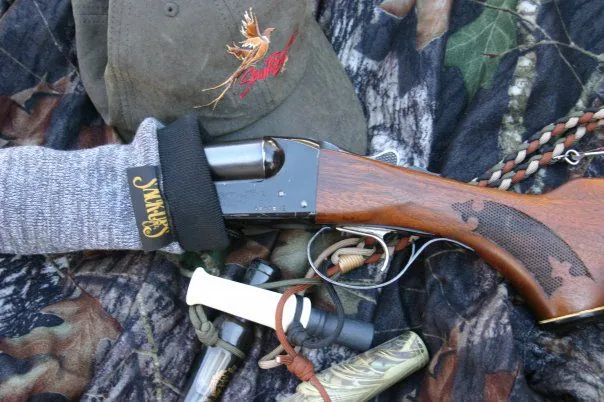
A better layer between uses
A shotgun earns its marks honestly. The trouble is the marks it picks up after the hunt, during a crowded safe shuffle or on the ride home. A fitted Sack-Up creates a soft layer between your firearm and the surfaces around it, helping reduce the everyday rubbing, dust and handling that can wear on a finish over time.
Every Sack-Up starts with a true cotton blend treated with silicone. Cotton helps manage the moisture concerns that come with stored metal and wood, while the soft knit construction gives your shotgun a gentler place to rest. It is straightforward protection for the firearm you carry season after season.
Made for the way shotguns are used
A shotgun is rarely stored in a perfectly empty space. It shares room with other firearms, cases, cleaning supplies and the accessories that collect around a hunting season. A Sack-Up helps your shotgun slide into a clear, protected position instead of leaning directly against the next piece.
Use it in a secure safe or cabinet to keep finishes from rubbing together. Slip it on before carrying a shotgun to the range or moving it between storage locations. After a wet day outside, let the shotgun dry, follow the manufacturer’s care guidance and return it to storage only when it is ready. A sleeve is a practical layer of care, not a substitute for proper storage or maintenance.
Why cotton works →
Choose the right fit
For many standard shotguns, the 52-inch Model 100 is a useful starting point. Measure from end to end and do not forget the added length of a recoil pad or other features.
Optics, slings, raised ribs and larger stocks all change how a shotgun sits in a sleeve. Give those details room so the Sack-Up goes on and off without a fight.
Multi-packs make it easier to give each shotgun its own protective layer, so the collection stays easier to organize and inspect between trips.
Not sure where to begin? The Sack-Ups fit guide covers common rifle, shotgun and firearm storage sizes.
Use the fit guide →Shop shotgun socks
Storage that respects the shotgun
Good storage does not have to be complicated. Give the shotgun a clear place, leave enough clearance to remove it without dragging it across another firearm and keep the things you check often within reach. When the layout makes sense, it is easier to notice a damp sleeve, a crowded row or the care a shotgun needs before the next use.
That matters most when a safe is close to full. The capacity printed on the door rarely accounts for wider stocks, slings, optics or the room needed to move one shotgun without shifting the rest. A Sack-Up gives the finish a softer boundary, but it works best alongside a storage layout that gives every firearm enough room.
For a new safe or a changing collection, begin with the shotguns you use most and leave one position open when you can. That small amount of breathing room makes regular checks simpler and keeps the storage arrangement useful when the next firearm comes home.
After a range day or hunt, clear the shotgun according to its manufacturer’s guidance and the applicable laws. Remove obvious dirt and moisture, allow it to dry and take care of any maintenance that the manufacturer recommends. Only then is it ready for its storage sleeve and secure location.
Keep your preferred moisture-control method visible so it does not become another forgotten item at the back of the safe. Check the shotgun, sleeve and surrounding space on a regular schedule. A quick look can catch dust, moisture or a crowded layout before a small issue becomes a lasting mark.
A properly fitted sleeve makes it easier to lift a shotgun from its usual spot without bumping the neighbor. For travel, follow carrier, destination and legal requirements, then use the right hard case or other required equipment. The Sack-Up stays useful as the soft layer between the shotgun and the gear around it.
Simple protection, used well
Start with a clean, dry shotgun and a Sack-Up that fits without strain. Avoid forcing the fabric over a sharp edge, a bulky accessory or a firearm that needs a larger size. A little room makes it easier to put the sleeve on, take it off and return the shotgun to the same storage position.
For gun safes, leave space between firearms whenever you can. The sleeve helps reduce contact, but a crowded row still makes every move harder than it needs to be. Keep moisture-control supplies visible, inspect the collection regularly and replace worn storage materials when they have done their job.
For longer storage, keep care simple and consistent. Follow the firearm manufacturer’s guidance, check the condition of the finish and make sure the sleeve is clean and dry before use. The best routine is the one you will repeat after every range day, hunt or season change.
Frequently asked questions
Measure the full length of your unloaded shotgun, then allow room for a recoil pad, sling, optics or other features that add bulk. Model 100, at 52 inches, is a popular starting point for many full-length shotguns. When in doubt, choose a little extra room instead of forcing the fit.
A properly fitted Sack-Up gives a shotgun a soft layer while it sits in a secure safe, cabinet or other appropriate storage area. It is not a replacement for secure storage, routine inspection or the firearm manufacturer’s care guidance.
It depends on the shotgun and the accessory. A fitted sleeve should slide on without straining the fabric or snagging on the firearm. For a wider setup, compare the firearm’s overall length and profile with the sizing guidance before ordering.
Sack-Ups are made to give firearms a protective layer during storage and transport. For travel, always follow the requirements of your carrier, destination and applicable laws, then use the right hard case or other required protective equipment for the trip.
Protect the shotgun you count on


