Store firearms in a secure, dry indoor location with reasonably stable conditions that you can inspect. There is no single temperature that fits every firearm, safe or home, but avoiding large swings, condensation and damp gear gives you a far more reliable routine than chasing one magic number.
A firearm does not need a laboratory. It does need a routine that accounts for the conditions around it. A climate-controlled part of the home is generally easier to manage than a vehicle, unconditioned garage, shed or damp basement. Follow the firearm maker’s care guidance and applicable laws first, then use this guide to make the storage environment simpler to monitor and maintain.
Start with stable conditions, not a perfect number
Temperature matters because big swings can change the conditions inside a storage space. A cold firearm brought into warm, humid air can collect condensation. A hot, stuffy space can make a small moisture problem harder to notice. Wood, leather, foam, fabric and the finishes on a firearm can each respond differently over time, so a single temperature number is not a substitute for the manufacturer’s instructions.
The practical goal is a stable indoor location that you can check. A closet inside the conditioned part of a home is often easier to manage than a garage or outbuilding that follows every change in outdoor weather. If your storage has to live in a more variable space, give it more attention, not more assumptions. Check it after heat waves, cold snaps, storms and long humid spells.
Keep the priority order clear. Secure storage comes first. The National Shooting Sports Foundation’s safe-storage guidance recommends storing unloaded firearms in a locked cabinet, safe, vault or storage case that is inaccessible to children and other unauthorized people. A comfortable room is not a substitute for a secure one.
Watch the change in conditions
For most home setups, a small temperature and humidity monitor is more useful than guessing. Put it where you will actually see it during a normal check, rather than burying it behind cases or loose gear. The reading inside a closed safe or cabinet can differ from the rest of the room, especially when the storage space is full or sits against an exterior wall.
Look for a pattern. Does the reading jump after a storm? Does the storage area stay warm long after the house cools down? Does it feel musty when opened? Those observations are the signal to inspect the space, not to rush toward a universal setting. A consistent record over a few weeks tells you far more about your own setup than a single check on a comfortable day.
AcuRite’s storage-monitoring guidance makes the sensible point that a sensor should measure the room or enclosure where firearms are actually kept. Use a monitor as a prompt to inspect, clean and adjust your storage routine, not as a replacement for the firearm maker’s care instructions.
Prevent condensation before it gets enclosed
Condensation is a practical concern when a cool firearm, case or sleeve moves into warmer, more humid air. The safest response is patience. After a cold outing or a wet trip, let the firearm and any fabric storage material come back to a dry indoor environment before they go into a closed safe or cabinet. Inspect for ordinary surface moisture and follow the owner’s manual for cleaning or lubrication.
Do the same with the things around the firearm. A damp range bag, sling, foam-lined case or cotton sleeve can carry moisture back into the storage space even when the firearm itself looks fine. Set wet equipment aside to dry completely. If a case smells damp or has been sitting on a wet vehicle floor, treat that as a cue to clean and air it out before it returns to long-term storage.
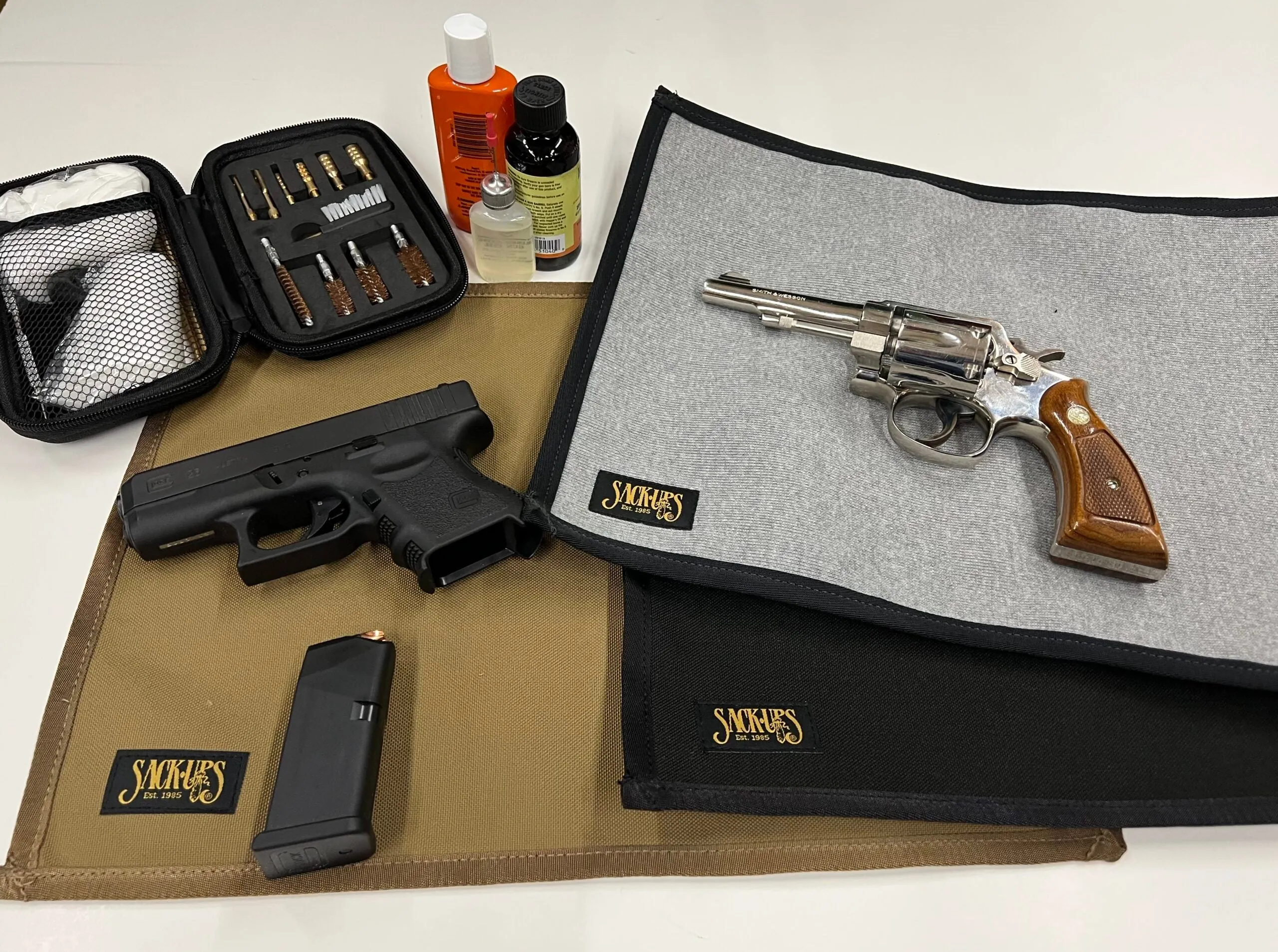
More product is not automatically more protection. Follow the firearm maker’s instructions for approved cleaning and care materials, particularly for specific finishes, optics and moving parts. A clean, dry surface and a repeatable inspection habit are more useful than an overcomplicated routine.
Give garages, basements and vehicles extra scrutiny
A storage location with large daily swings deserves closer attention. Garages, sheds, attics and unfinished basements can move from cold to warm or dry to humid much faster than the main living area. They may also be more exposed to leaks, poor ventilation and seasonal changes. That does not mean every one of these spaces is automatically unusable, but it does mean the conditions need to be understood and monitored.
Vehicles are especially poor places for routine storage. Their temperature can change quickly, and they are harder to keep secure and dry. Project ChildSafe notes that a vehicle itself is not a safe, and its vehicle-storage guidance recommends a dedicated lockable storage device when a firearm must be left in a vehicle. Finish the trip, bring the firearm into its intended secure space and inspect it before storing it for any longer period.
If your safe is against a cold concrete wall or in a part of the home that feels different from the rest of the house, pay attention to that location. A simple visual check after a weather change can catch a damp floor, a leaking wall, a saturated moisture-control product or a crowded shelf before it becomes a larger cleanup job.
Keep humidity, spacing and cleanliness in the same routine
Temperature never works alone. A stable temperature with damp gear still creates a storage problem, while a dry, well-organized space can be easier to care for through normal seasonal change. Keep the inside of the safe or cabinet clear enough to see the surfaces, moisture monitor and storage materials. When you have to move three cases and a pile of accessories to inspect one firearm, the setup is asking to be ignored.
The Gun Safe Humidity guide explains how to make moisture checks visible and maintainable. Pair it with the gun safe organization guide when shelves, dividers or loose range gear are getting in the way. The goal is not a showroom. It is a storage space you can open, understand and reset in a few minutes.
At each routine check, look for a short list of signals: dust or grit on a shelf, damp fabric, a monitor that has moved outside its usual range, a moisture-control product that needs service and any sign that a firearm’s finish or hardware needs attention. If something looks unusual, use the manufacturer’s guidance or a qualified gunsmith rather than guessing at a repair.
Keep the check easy enough to repeat. Write down the date and anything unusual if that helps you spot a seasonal pattern. A brief note such as “humid after storm” or “monitor moved after basement leak” can turn a vague concern into a clear maintenance decision the next time conditions change.
Use a protective layer that is clean, dry and fitted
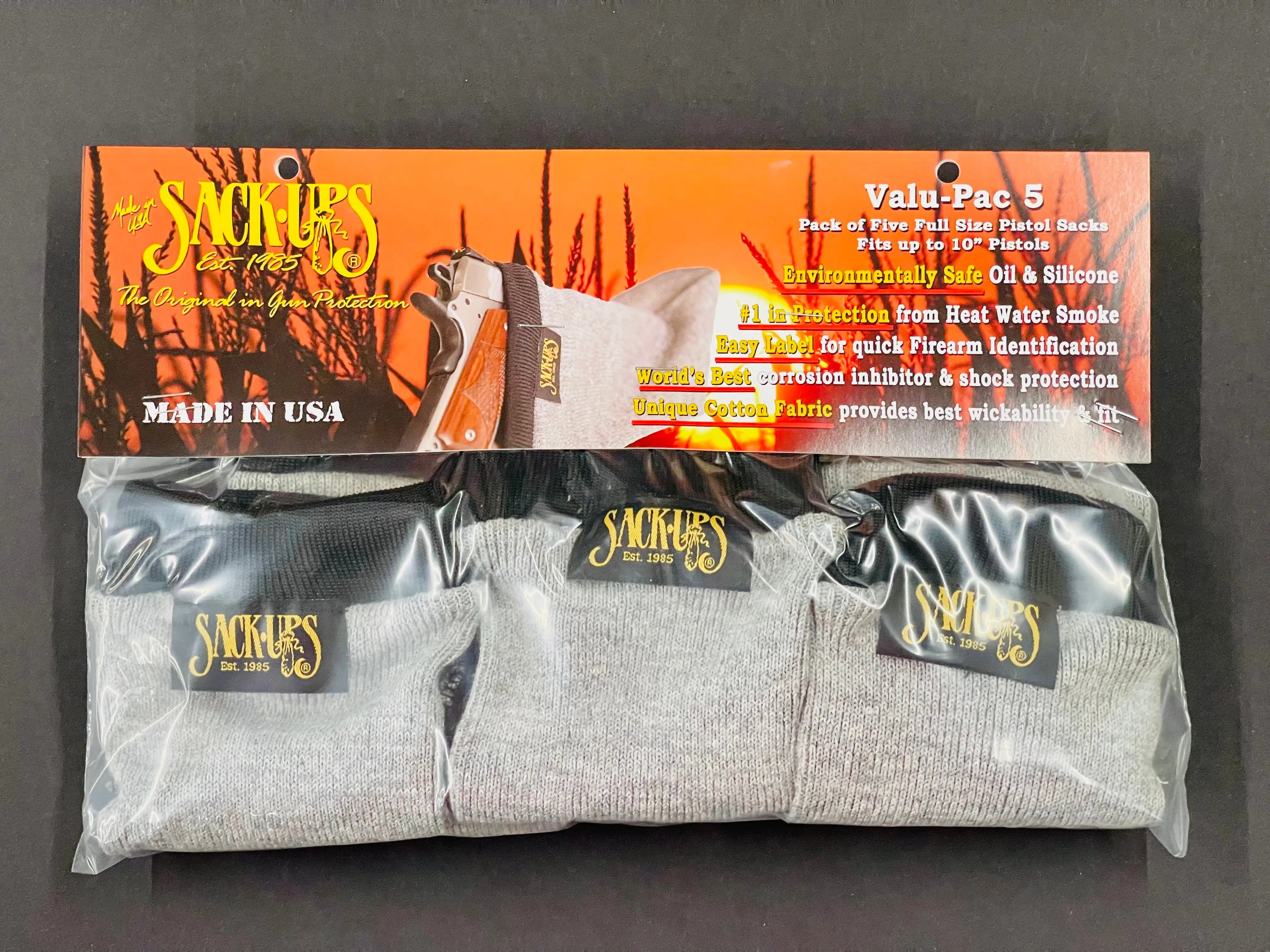
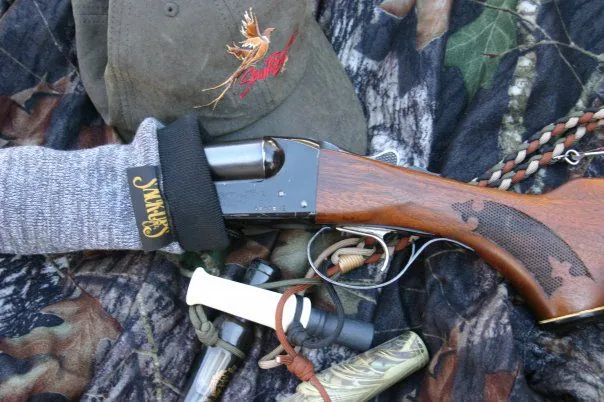
A sleeve is not climate control, and it does not replace secure storage or regular inspection. It can, however, give a clean, dry firearm a soft layer between it and the surfaces or other gear around it. That is particularly helpful in a shared safe, on a shelf or during the trip between a secure storage space and the range.
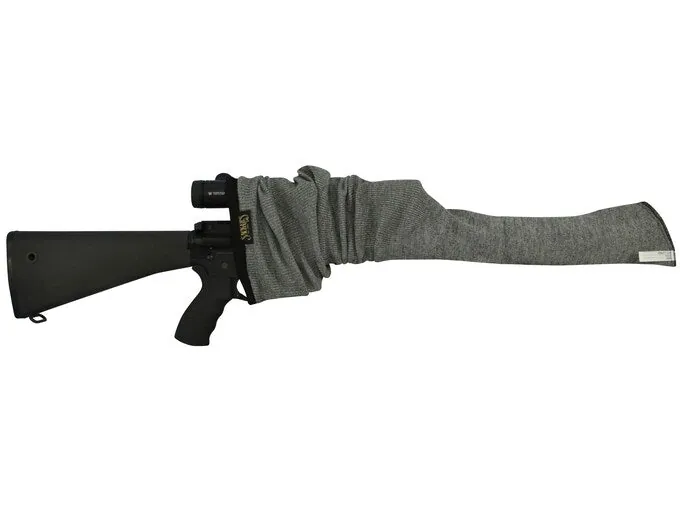
Fit matters because a sleeve should go on and come off without forcing the firearm into a tight opening or leaving part of the setup exposed. Measure the complete unloaded firearm, including the stock, barrel, optic and other features that change its outline. The Sack-Ups Buyer’s Guide helps match that real-world measurement to the right style and length, while the gun socks guide explains the main options for rifles, shotguns, handguns and scoped setups.
Before returning a sleeve to storage, make sure it is dry and free of grit. A clean storage material stays useful longer and avoids carrying the conditions of the last outing into the place where the firearm rests between uses.
What to do after weather, travel or a power outage
Some storage checks are worth doing outside the usual calendar routine. A storm that brings water into a basement, a long humid spell, a hunting trip in rain or snow, or a power outage that changes the feel of the house can all be a reason to take a closer look. You are not looking for an excuse to move every item. You are checking the conditions that could have changed while the storage area was closed.
Open the space calmly and look before you rearrange it. Check the floor, wall behind the safe, shelf surfaces and the storage materials closest to an exterior wall or door. Notice any damp smell, water mark, wet fabric or visible condensation. If a firearm or its case was directly exposed to water or fire, do not treat ordinary wiping as a complete answer. The Sporting Arms and Ammunition Manufacturers’ Institute has published safety guidance for items exposed to fire and water; use the manufacturer or a qualified gunsmith when the condition is uncertain.
Travel deserves the same deliberate finish. A hard case protects equipment during a trip, but it can also hold the dirt, moisture and temperature change that came home with you. Once you are back, move the firearm through the manufacturer’s unloading and care routine, let the case and protective material dry if needed, then return everything to its secure place. That short reset helps keep travel conditions from becoming storage conditions.
A simple seasonal storage check
A quick seasonal check is enough for many home setups. It gives you a chance to confirm that the space still works after the weather changes, without turning storage into a complicated project.
- Confirm the firearm is handled and stored according to the manufacturer’s guidance and your applicable local requirements.
- Check the monitor, shelves, floor and corners of the storage area for signs of dampness or an unusual change in conditions.
- Inspect cases, sleeves, slings and range bags before they go into enclosed storage.
- Remove loose gear that makes the safe or cabinet hard to inspect or use.
- Look over finishes and hardware, then follow the manufacturer’s guidance if anything needs attention.
- Make sure every firearm still has a secure, clear and predictable place to return to.
The best storage temperature is one you can keep reasonably steady, monitor easily and support with dry, secure, uncluttered habits. That gives you a practical response to changing weather without pretending that one number solves every firearm, home and climate.
If the routine feels difficult, simplify the space before buying more accessories. Fewer loose items, a visible monitor and a clear place for each firearm make ordinary care faster and make the storage conditions easier to trust.
Frequently asked questions
What temperature should guns be stored at?
There is no single temperature that fits every firearm and storage setup. Follow the manufacturer’s guidance, and aim for a secure indoor location with reasonably stable conditions that you can monitor. Avoid large swings, damp gear and storage areas that are difficult to inspect.
Can temperature changes cause problems in gun storage?
Large temperature changes can make condensation and changing moisture conditions more likely, especially when a cold firearm or case is brought into warm, humid air. Let equipment return to a dry indoor environment, inspect it and follow the manufacturer’s care instructions before closed storage.
Is a garage a good place to store firearms?
A garage can have bigger temperature and humidity swings than the conditioned part of a home, so it needs more attention to security, moisture and seasonal changes. A secure location that stays dry and is easy to monitor is generally simpler to maintain.
Should I use a gun sock for long-term storage?
A clean, dry and properly fitted gun sock can provide a soft protective layer in a secure storage space. It does not replace secure storage, climate awareness, regular inspection or the firearm manufacturer’s care instructions.