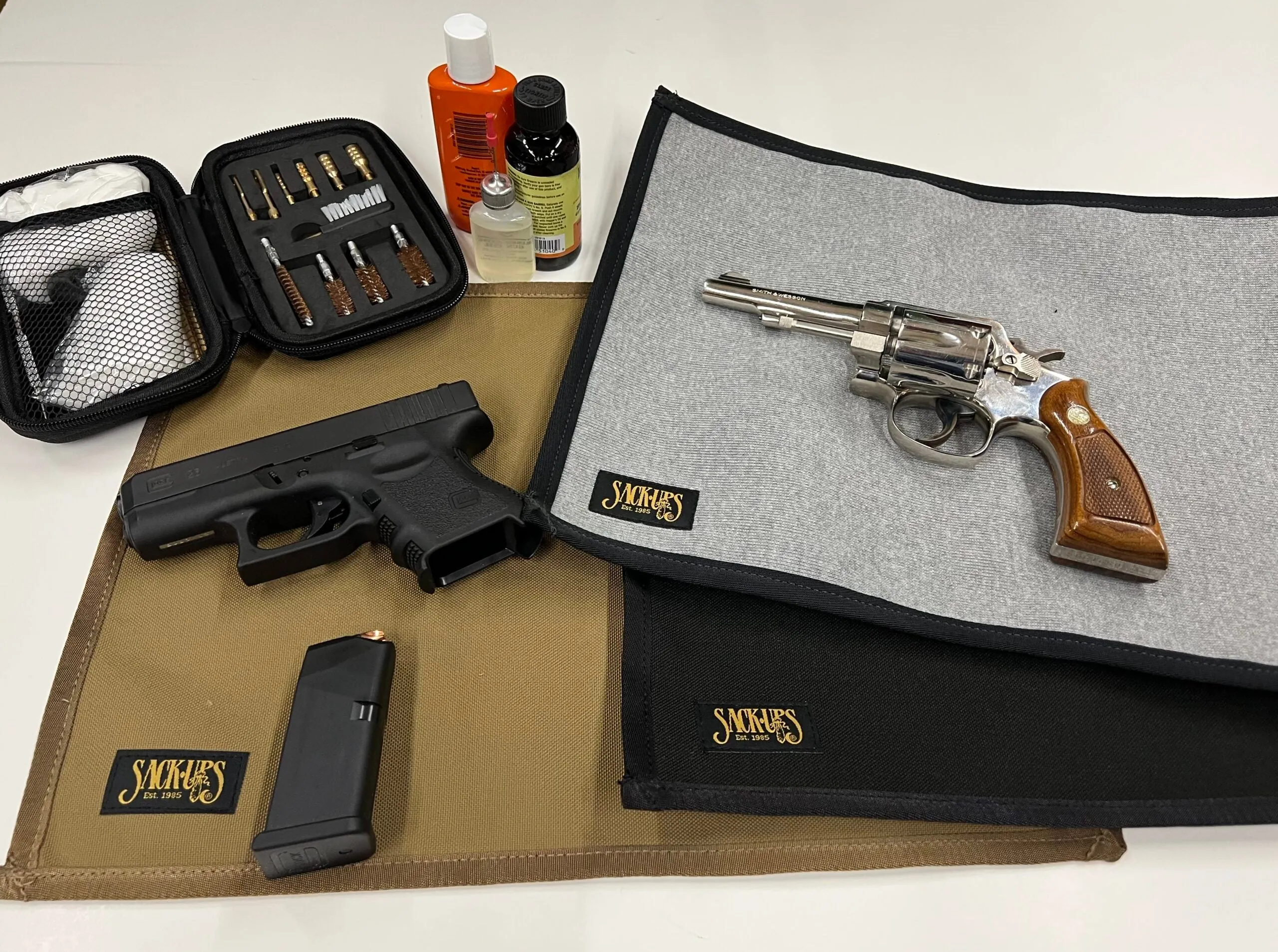
Gun socks can help protect a firearm from the everyday conditions that lead to finish wear, but they are not a cure for rust. Their job is simpler and more useful: they provide a soft layer between a clean, dry firearm and the surfaces around it during storage or transport. When that layer is part of a sensible routine, it can reduce rubbing, keep ordinary dust off the finish and make a crowded storage space easier to manage.
Rust begins when moisture, oxygen and exposed metal have time to work together. A sleeve cannot correct a wet firearm, a damp case, a leaking storage room or a safe that has been shut with wet gear inside. It can, however, support the care steps that do matter: secure storage, a dry firearm, clean materials, reasonable humidity and regular inspection. That distinction is the key to using a gun sock well.
What a gun sock is designed to do
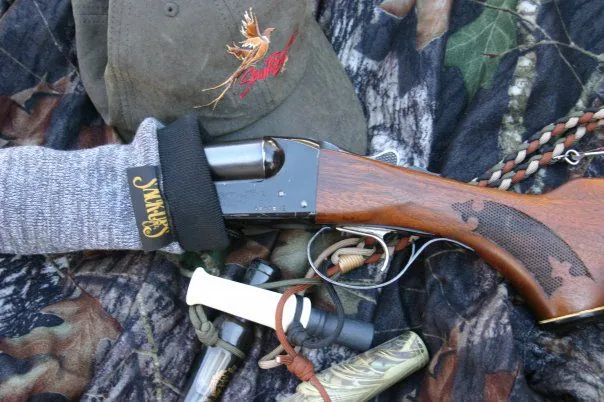
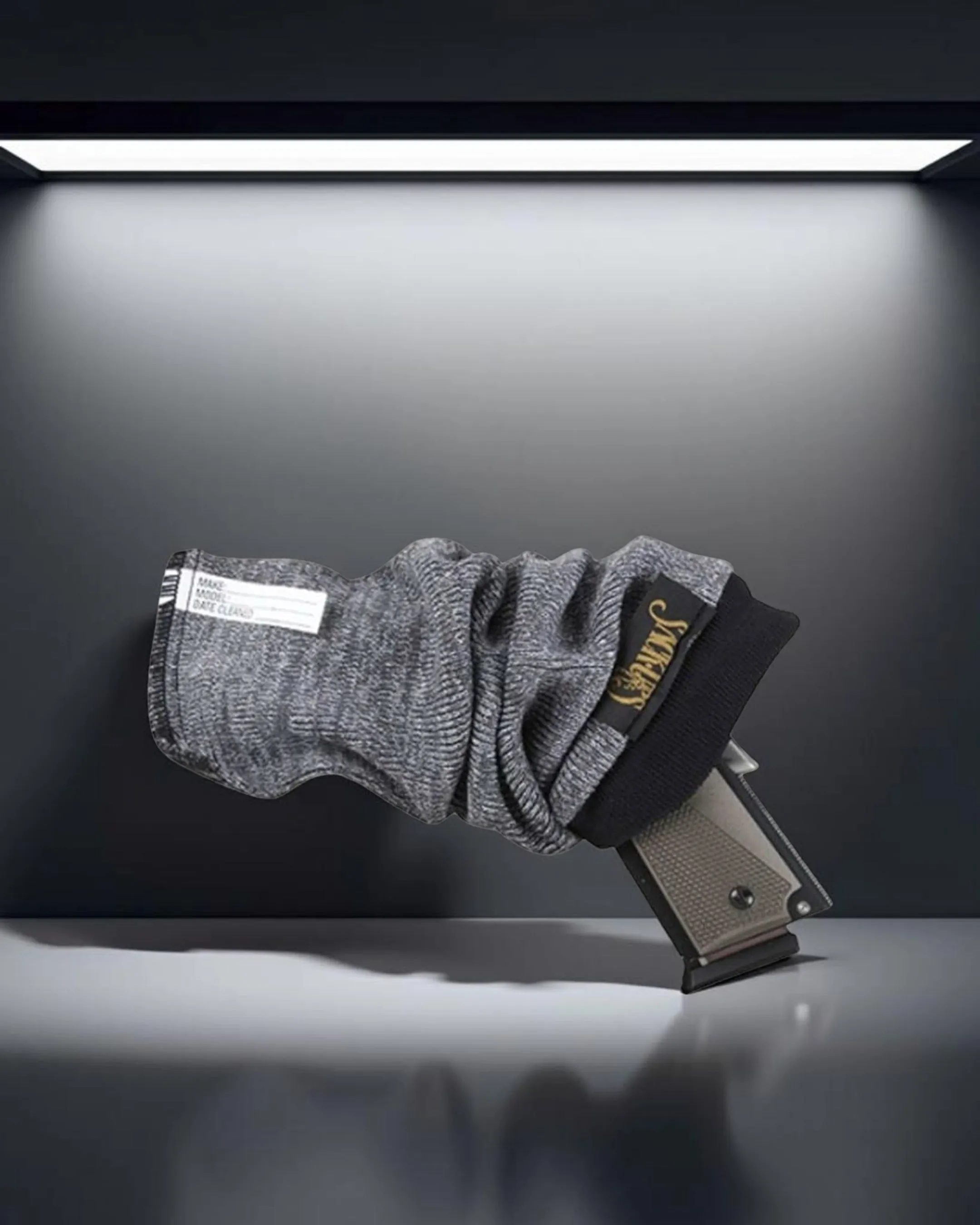
A gun sock is a fitted knit sleeve that slides over a firearm. Most are made for a particular general shape, such as a handgun, standard rifle or shotgun, carbine, or a larger scoped rifle. In a safe, cabinet or travel setup, the sleeve gives the firearm a softer surface than bare racks, shelves, cases and neighboring gear.
That protective layer is most valuable where normal use creates normal contact. A long gun can brush against a divider when it is returned to the safe. A handgun can rest near another firearm on a shelf. A rifle and a hard case can shift in a vehicle on the way home from the range. In each situation, a clean, properly fitted sleeve helps reduce the small scuffs and rub marks that build up over time.
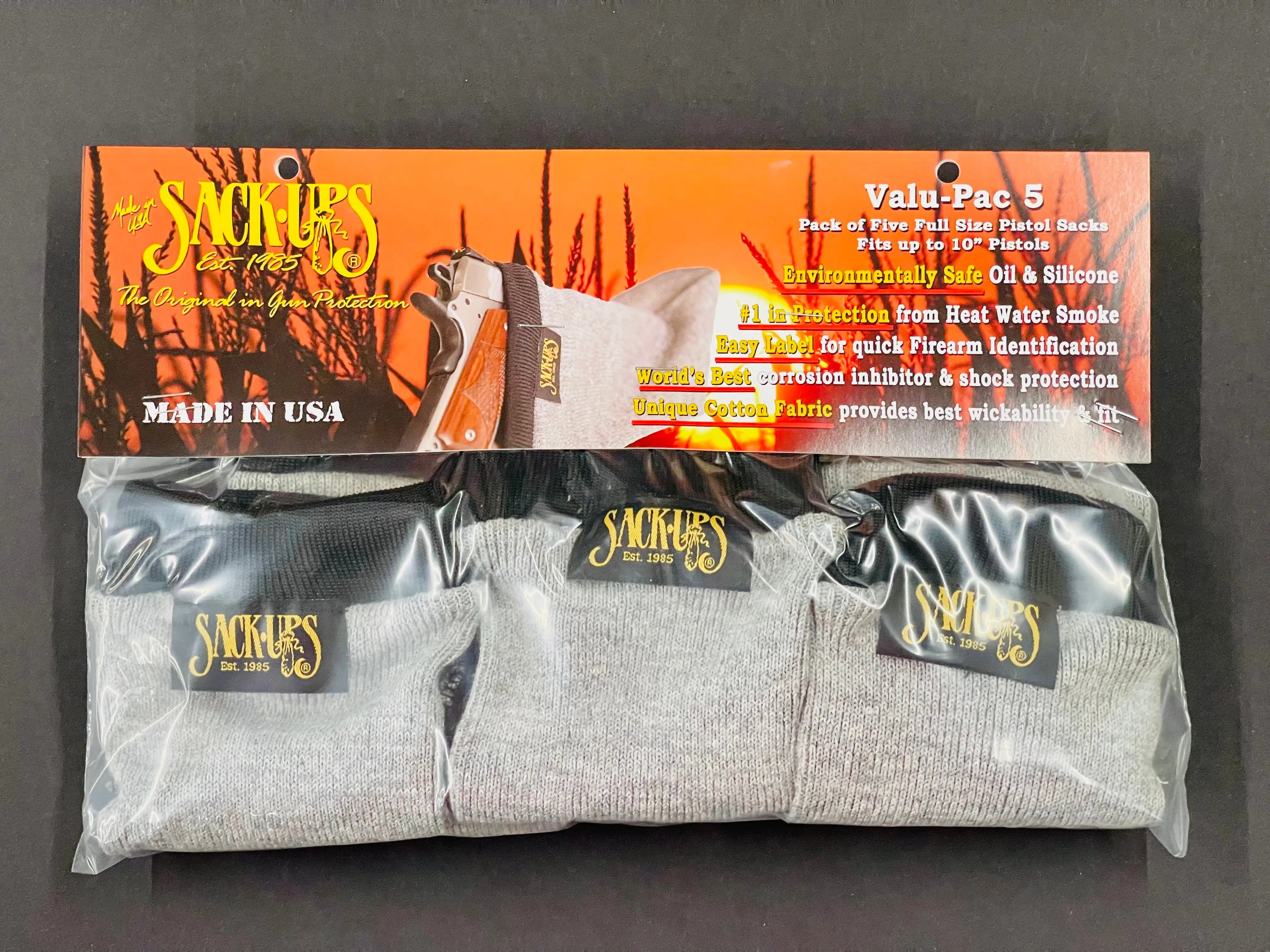
Sack-Ups are made from a silicone-treated cotton blend. The cotton knit gives the firearm a soft place to rest, while the silicone treatment is intended to support everyday protection during storage and transport. It is not a lock, a hard case, a dehumidifier or a substitute for the firearm maker’s maintenance instructions. It belongs after those more important jobs have been handled.
Can a gun sock prevent rust?
A gun sock can contribute to a rust-prevention routine, but it does not prevent rust on its own. It is most useful when the firearm is already clean and dry, the sleeve itself is clean and dry, and the storage area is kept in good condition. Those basics reduce the chance that moisture or grit will sit against the finish.
Think of the sleeve as one layer in a system. The system starts with following the firearm manufacturer’s unloading and care instructions. It includes wiping away moisture and residue after use, inspecting the firearm before it goes away and choosing a secure location that can be checked easily. The Project ChildSafe home-storage guidance also stresses keeping firearms unloaded and secured when not in use. A gun sock supports that routine by helping protect the finish inside the secure storage space, not by replacing the storage space itself.
A silicone-treated sleeve may help with light, everyday exposure during storage and transport, but it cannot remove water that is already on the firearm or make a damp room safe for long-term storage. Put a wet firearm, wet sling, wet sleeve or wet case into a closed space and the moisture problem is still there. The first response after rain, snow, a humid outing or a wet vehicle floor is to dry and inspect everything before it goes back into storage.

What causes rust in firearm storage
Most storage problems start with a condition that is easy to overlook. A firearm comes home from a rainy hunt. A soft case picks up moisture in a truck bed. A range bag sits on a wet floor. A safe is packed tightly enough that you cannot see a damp sling, a wet corner or the moisture-control product that needs attention. Covering the firearm without addressing that condition can leave moisture close to the finish for longer than intended.
Condensation is another reason to slow down after a temperature change. When a cold firearm moves into warm indoor air, let it reach the room’s conditions before closing it into a sleeve or storage space. Follow the manufacturer’s recommendations for cleaning and lubrication, especially with older firearms, wood stocks, optics and specialized finishes. The right care product and interval depend on the firearm, so a generic storage accessory should never overrule the owner’s manual.
Humidity matters as well, particularly in basements, coastal areas or any room that tends to hold damp air. A visible hygrometer and a moisture-control product sized for the storage space can turn an invisible condition into something you can monitor. Our gun safe humidity guide explains a practical way to watch conditions and keep the storage routine manageable.
Use a gun sock only when the firearm and sleeve are dry
The most important rule is simple: never use a sleeve to hide a moisture problem. Before putting a firearm away, follow its safety and care instructions, then check the exterior, the sling, the optic area and any part that was exposed to weather or handling. A dry firearm should go into a dry sleeve. If the sleeve has been in a damp range bag, laid on wet ground or picked up grit, clean and dry it before returning it to the safe.
This approach is not fussy. It is faster than discovering a storage problem later. Keep the items that stay in the safe separate from the gear that travels through rain, mud, vehicles and benches. If a sleeve is used at the range or in a case, give it a quick inspection when you get home. A few deliberate minutes can preserve the clean, predictable storage environment you worked to create.
- Follow the firearm manufacturer’s instructions for unloading, cleaning and lubrication.
- Remove visible moisture, dirt and fingerprints before storage.
- Let the firearm, sling, sleeve, case and range gear dry completely after wet weather.
- Check that the storage area is secure, clean and easy to inspect.
- Use a sleeve that fits without forcing it over a scope, stock or mounted accessory.
For an organized home setup, the safe gun storage checklist and gun safe organization guide offer practical ways to build these checks into the routine instead of relying on memory.
Fit and spacing matter more than squeezing in one more firearm
A sleeve works better when it fits the full outline of the firearm. Measure the complete unloaded firearm, then account for a scope, tall sights, a sling, a wider stock or any accessory that changes the profile. A tight sleeve can snag or become frustrating to remove. A too-short sleeve leaves the areas you want to protect exposed. The goal is a smooth on-and-off fit, not the smallest possible cover.
Inside a safe, leave enough room to remove one firearm without dragging it across another. A protective sleeve helps reduce ordinary contact, but it does not make a crowded row easy to inspect. Group firearms, maintenance supplies, cases and documents so each has a clear place. When the safe becomes difficult to see into, simplify before adding more gear.
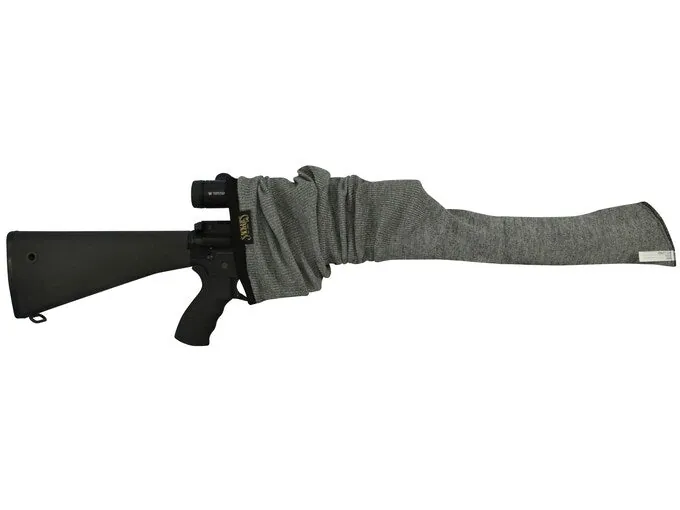
Start with the Sack-Ups Buyer’s Guide when you know the firearm’s length, then compare the rifle sock, shotgun sock and pistol sock options for a more specific starting point. A properly sized sleeve makes the return-to-storage step easier to repeat, which is more valuable than forcing one general size to serve every firearm.
A five-minute return-to-storage routine
The best protection routine is the one you can use after an ordinary day at the range, an evening cleaning session or a long wet drive home. It does not need special equipment or a complicated checklist. It needs a clear order, so the firearm is never balanced on a bench while you search for a case, a sleeve or an open space in the safe.
Begin with the firearm manufacturer’s unloading procedure and the fundamental handling practices set out in the National Shooting Sports Foundation’s firearm safety rules. Once the firearm is ready to be stored, wipe away visible moisture and debris, check any area that was exposed to weather and inspect the sleeve you plan to use. If either item is damp, leave it out to dry in a suitable indoor place. Then return the firearm to its assigned position inside the secure storage space.
That order creates a useful pause between use and storage. It helps you notice a muddy case, a frayed drawstring, a damp sling or a safe shelf that has become too crowded. It also makes the next outing easier: the firearm, sleeve and storage area begin in predictable condition instead of carrying forward the loose ends from the last trip.
For collections with several firearm types, give each sleeve a simple home. Keep handgun sleeves where handguns are stored, long-gun sleeves near their bay and travel equipment separate from the items that stay inside the safe. The point is not to label every inch of the safe. It is to make the right next step obvious when you are tired, rushed or returning with wet gear.
When a gun sock is not enough
A gun sock is not security equipment. It does not prevent unauthorized access, make a firearm safe to handle or satisfy a storage requirement by itself. Use a secure storage method that fits your household, local requirements and the firearm you own. Keep ammunition secured separately according to your plan and applicable requirements. The secure-storage resources from Project ChildSafe are a useful place to review the available safety layers.
It is also not impact protection. A sleeve can add a soft layer inside a larger transport setup, but a hard case, lockable case or other travel equipment may be required depending on the journey and destination. Use the equipment required for travel, then let the sleeve protect the firearm from ordinary contact before and after the trip.
Finally, a sleeve is not a reason to skip inspection. Check the storage area regularly, especially after a wet outing, a seasonal change, a move or a safe reorganization. Look for moisture, dust, crowded rows, worn fabric and anything that makes the firearm harder to inspect or return to its place.
How Sack-Ups fits into a rust-prevention routine
Sack-Ups gives firearms a soft, properly sized layer after the real storage work is done: the firearm is clean and dry, the storage location is secure, the humidity is being monitored where needed and the safe has enough room to use carefully. That makes it easier to keep rifles, shotguns, handguns and scoped setups from resting directly against the hard surfaces and gear around them.
Browse the firearm storage collection to compare storage options by firearm type, or visit gun socks for storage and protection to see the available sizes together. A gun sock is a practical layer of protection. Used with clean, dry storage habits, it helps the whole system work as intended.
Frequently asked questions
Do gun socks prevent rust?
A clean, dry and properly fitted gun sock can support a rust-prevention routine by providing a soft storage layer and helping keep ordinary dust and contact away from the finish. It does not remove moisture, replace secure storage, replace maintenance or make a damp safe safe for long-term storage.
Can I put a wet firearm in a gun sock?
No. Follow the firearm manufacturer’s care instructions, remove moisture and let both the firearm and the sleeve dry completely before storage. A sleeve should not be used to trap dampness from rain, condensation, a wet case or a damp range bag.
Should I use a gun sock in a gun safe?
A clean, dry and properly fitted gun sock can be a useful layer inside a secure safe or cabinet. Leave enough space to remove each firearm carefully, monitor the storage conditions and continue regular inspections.
Does a gun sock replace a gun case?
No. A gun sock provides a soft protective layer, while a travel case and any required locking equipment serve different jobs. Use the storage and travel equipment appropriate for the firearm, household and destination, then use a sleeve to help protect the finish from ordinary contact.