
How to store a shotgun starts with a routine that is simple enough to repeat after every range day, hunt or season change. Make the shotgun safe according to the manufacturer’s instructions, inspect it before it goes away, make sure the storage materials are dry and return it to a secure place where it can rest without crowding the rest of the collection.
The right details will depend on the shotgun, your household, the local climate and the storage setup you use. The aim is not to create a complicated ritual. It is to remove the common causes of trouble: rushed handling, moisture left behind after a wet day, a crowded safe and storage materials that are not clean or dry. Follow the shotgun manufacturer’s guidance and applicable laws first. This guide helps organize the practical steps in between.
Start by making the shotgun safe
Storage begins before the shotgun reaches a safe, cabinet or other secure location. Use the unloading procedure in the owner’s manual, keep the muzzle in a safe direction and take the time to confirm the shotgun is unloaded. The National Shooting Sports Foundation’s firearm safety rules emphasize treating every firearm as if it is loaded and keeping it unloaded when it is not in use. That deliberate pause is the most important part of the routine.
Keep ammunition separate and secured according to your household plan and applicable requirements. A shotgun that is ready for storage should not be something you are merely setting down for a moment. Make the transition clear: finish handling it, complete the safe-storage steps and return it to its assigned place.
Before moving it, look for the practical details that can make a tight storage space awkward. Check the sling, optic, choke-tube case or other accessories for anything loose enough to catch a divider, door panel or neighboring firearm. Tuck a sling in neatly and follow the accessory manufacturer’s recommendations. A few seconds of setup can make the next removal much smoother.
Dry and inspect the shotgun before it goes away
Rain, morning dew, humid air, mud, fingerprints and range dust can all come home with a shotgun. Do not put that moisture straight into a closed storage space. First let the shotgun settle in a dry indoor area, then inspect the exterior, action area and accessories according to the manufacturer’s care instructions. A clean cloth is often enough for ordinary surface moisture and handling marks, while more involved cleaning should follow the manual and the directions for the products you use.
Pay attention to places that can stay damp longer than expected: under a sling, around the receiver, near metal-to-wood contact points and around accessories that were exposed to weather. If a soft case or sleeve was wet in the field, dry that material fully too. A clean shotgun placed in damp fabric has not really been prepared for storage.

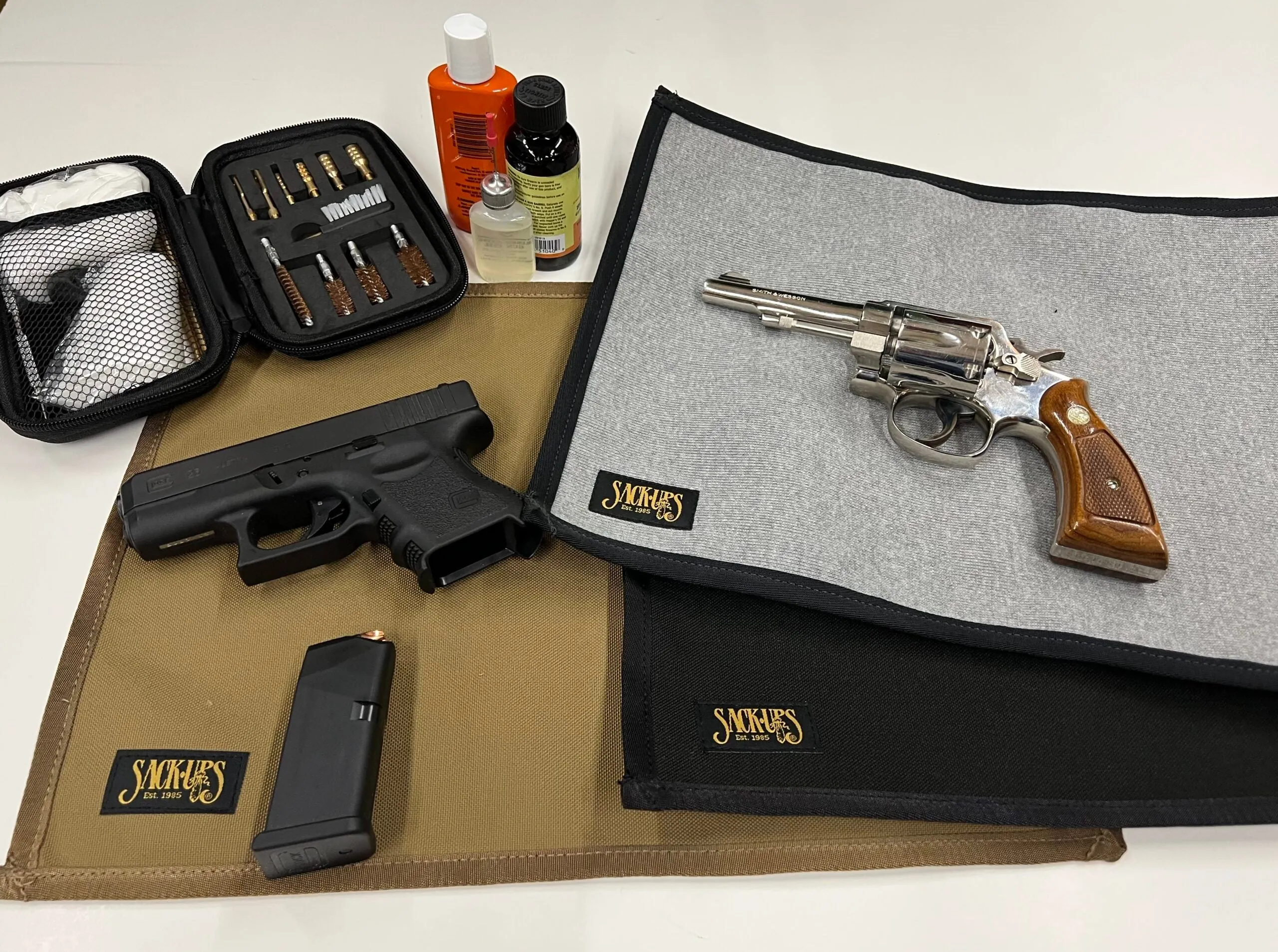
Keep the care routine realistic. More oil or more product is not always better, especially when a product is not recommended for a particular finish or component. Use the shotgun manual as the authority for cleaning, lubrication and maintenance intervals. Sack-Ups’ gun maintenance collection can help keep the everyday care supplies in one place, but the shotgun maker’s instructions should always guide the work.
Choose a secure location before choosing a storage accessory
A secure storage location has two jobs: it limits unauthorized access and gives the shotgun a stable place between uses. Start with the secure-storage method that fits your household and applicable requirements. Project ChildSafe’s safe-storage guidance makes the same point in plain terms: secure storage works best when it is part of a dependable habit, not something saved for a special occasion.
Look beyond the lock. A storage space should be reasonably dry, easy to inspect and protected from the problems that come with leaks, dramatic temperature swings or wet gear. A garage, outbuilding or basement may require more attention than a stable interior space. Wherever the shotgun is kept, build the arrangement around the conditions you can actually monitor.
For a shotgun that travels often, finish the trip home before storage starts. Unload it safely, remove any obvious moisture and dirt, inspect it, then return it to the secure location. Do not leave it in a vehicle or temporary travel case longer than necessary. Those spaces are harder to monitor and may not provide the stable conditions you want for the time between uses.
Give every shotgun its own clear path
A safe can feel crowded long before it reaches the number printed on the door. That number rarely reflects real-world stocks, slings, recoil pads, optics or the room needed to lift one shotgun out without shifting the rest. When you need to drag a shotgun across a neighboring firearm to remove it, the layout needs more clearance.
Store the longest or widest shotguns where the safe gives them the cleanest route. Keep frequently used pieces where they are easy to see and remove, and keep loose accessories out of the long-gun bay. A small amount of empty space is useful. It gives you a more predictable motion when storing or retrieving a shotgun and makes a quick visual inspection much easier.

Dividers, racks and shelves should make the arrangement easier to understand at a glance. Keep documents, tools, keys and maintenance supplies in their own assigned area instead of letting them collect beside the shotguns. If the interior has gradually become a mixed pile of cases, boxes and gear, simplify it. The shotgun bay should serve the shotgun first.
Our guide to gun safe organization has more ideas for grouping firearms, managing accessories and keeping routine checks simple. For a mixed collection, the firearm storage collection helps compare options for shotguns, rifles, handguns and scoped firearms without treating every setup as the same.
Keep sleeves and moisture control clean, dry and visible
A storage sleeve is useful only when it is clean and dry. Before slipping one over a shotgun, check for dampness, dirt, grit or a snag that could scratch the finish or make the sleeve difficult to remove. If it has been exposed to rain, a dirty truck bed or a damp floor, clean and dry it before it returns to the safe.
If your storage setup uses a dehumidifier, desiccant or another moisture-control method, place it where you can see it during a routine check. Follow the product’s instructions for placement, recharging and replacement. Do not bury it under bags or store it behind the shotguns where it becomes easy to forget.

A simple calendar reminder makes this easy to maintain. During a regular inspection, look for damp fabric, dust, signs of corrosion, worn sleeves and rows that have slowly become too tight. The goal is not to disturb the collection constantly. It is to catch a changing condition before it becomes a larger cleanup or repair job.
Use a properly fitted sleeve as one layer of protection
A shotgun sock or storage sleeve does not replace secure storage, safe handling or manufacturer-recommended care. It is a soft layer between the shotgun and the surfaces around it during storage and transport. That can be especially helpful when a shotgun shares space with other firearms, dividers, cases and gear.
Fit matters. A sleeve that is too short leaves part of the shotgun exposed, while one that is too tight can snag on a recoil pad, sling, optic or other feature. Measure the full length of the unloaded shotgun and allow room for the details that change its profile. Sack-Ups’ fit guide gives a practical starting point for comparing length and setup.
For a straightforward product path, visit shotgun socks for storage and protection. The page explains the sizes commonly used for full-length shotguns and wider setups, then connects directly to the relevant products. A sleeve should make storage easier to repeat, not turn it into a wrestling match.
Use this shotgun storage checklist
Once the storage space is organized, the routine can be short. Use this checklist after hunting, range time or an extended handling session:
- Follow the shotgun manufacturer’s unloading procedure and confirm it is safe before storage.
- Keep ammunition separately secured according to your household plan and applicable requirements.
- Wipe away moisture, dirt and fingerprints, then complete any manufacturer-recommended care.
- Let the shotgun, sleeve and any case dry completely before closed storage.
- Return the shotgun to its assigned position with enough clearance from other firearms and gear.
- Check that the safe or secure storage space can close without interference.
For longer breaks between uses, add a routine inspection. Check the safe, sleeve and shotgun according to the manufacturer’s guidance and the needs of your climate. A regular check is much easier when every shotgun has a consistent place and the storage space is not packed beyond what you can comfortably use.
Plan for the long break between seasons
When a shotgun will sit for several weeks or months, the same basics still apply: secure storage, a dry and clean firearm, a dry protective layer and a clear place in the safe. The difference is that no one is likely to notice a slow change every day. Seasonal weather, a damp item placed nearby or a moisture-control product that needs attention can change the conditions inside the storage space over time.
Put a reminder on the calendar to inspect the safe and the shotgun. During that check, look for a sleeve that has collected dust or moisture, storage rows that have become crowded, loose accessories and any change in the shotgun’s condition that deserves the manufacturer’s recommended care. Do not assume a storage space is maintenance-free just because the door has stayed closed.
Keep the inspection simple enough that you will actually do it. You are not rebuilding the safe each time. You are confirming that the secure location is still orderly, dry and easy to use. A clean microfiber cloth and a quick visual check are often enough to spot a concern early. The same approach applies to rifles and other long guns, which is why our rifle storage guide follows a similar routine while accounting for the differences in fit and storage setup.
How Sack-Ups supports shotgun storage
Sack-Ups is built for the time between use and storage. A properly fitted silicone-treated cotton sleeve gives a shotgun a soft layer during transport and in a shared storage space, helping reduce casual contact with the surfaces and gear around it. It works best as part of the complete routine: a secure location, a dry shotgun, clear spacing and regular inspection.
Start with the fit guide when you know the shotgun’s overall length, or browse the full Sack-Ups catalog to compare available options. The goal is simple: give the shotgun a clean, secure and predictable place to rest until the next day in the field or at the range.
Frequently asked questions
What is the best way to store a shotgun at home?
Store a shotgun according to its manufacturer’s guidance and applicable laws in a secure location that prevents unauthorized access. Before storage, follow the unloading procedure, make sure the shotgun is clean and dry, keep ammunition separately secured and leave enough clearance around it for safe removal.
Can I store a shotgun in a gun sock?
A clean, dry and properly fitted gun sock can provide a useful soft layer during storage and transport. It does not replace secure storage, routine inspection or the shotgun manufacturer’s care instructions, and the sleeve should be dry before it goes into a safe or cabinet.
Should I store a shotgun in its case?
A travel case is useful for transport, but it should not hold moisture, dirt or wet fabric around the shotgun. Let both the shotgun and the storage material dry fully before closed storage, then follow the manufacturer’s guidance for long-term care.
How often should I inspect a stored shotgun?
Follow the manufacturer’s recommendations and check the secure storage area on a regular schedule, especially after seasonal weather changes or a wet outing. Look for moisture, dust, worn storage materials and a layout that has become crowded or difficult to use.