
Good DIY gun storage starts with one priority: use a secure storage method that prevents unauthorized access and fits your household, local requirements and the firearms you own. From there, a practical setup makes each firearm easier to inspect, remove and return without crowding, damp gear or loose accessories getting in the way.
These gun storage ideas focus on the details that make a home setup easier to live with, whether you are organizing a safe, cabinet or another secure location. Always follow the firearm manufacturer's guidance and applicable laws first.
Start with the secure storage space
A DIY improvement should make a secure storage space more useful, not turn an unsecured display into a substitute for one. Before adding shelves, dividers or organizers, decide where the firearms can be stored safely and consistently. The location should be dry, protected from leaks and easy to check without moving half the room.
Think about the routine after a range day or hunt. Can you return a firearm to its place without leaning it against a wall, balancing it on a shelf or moving unrelated gear? If not, the first improvement is usually to simplify the space and give the items you use most a clear home.
Make room for the firearm, not just the advertised capacity
Safes and cabinets can feel crowded long before they are technically full. Stocks, slings, optics, cases and accessories all take more room than a simple capacity number suggests. Leave enough clearance to lift one firearm out without sliding it against another or catching a scope on a divider.
Group long guns, handguns, maintenance supplies and documents into separate zones. This makes it easier to see what belongs where, and it prevents small items from working their way into the space needed for a rifle or shotgun. An open spot is not wasted space when it makes the whole setup safer to use.
For a mixed collection, the gun safe organization guide shows a simple approach to creating clear zones and maintaining them over time.
Use shelves and bins to control the clutter
Small accessories are often what make storage frustrating. Keep manuals, bore guides, approved cleaning supplies, eye protection and range accessories in assigned containers instead of letting them collect beside firearms. A labeled bin or shallow shelf makes a quick check easier and keeps the primary storage area clear.
Put heavier items where the storage system is designed to support them, and avoid changes that interfere with the safe's door, locking mechanism, fire lining or manufacturer instructions. A freestanding organizer can be a better choice than a permanent alteration when you need flexibility without changing the storage enclosure itself.
Keep humidity and wet gear visible
A dry firearm should not go back into a damp sleeve, case or enclosed storage space. After rain, humid weather or a wet trip, let the firearm and any fabric storage material dry fully before putting them away. Check the areas that tend to hold moisture, including a range bag, soft case, sling and the bottom of the storage space.
A hygrometer and a moisture-control product can help when the room or safe tends to hold humidity. Put them where you can see them during a regular check, then follow the product instructions for placement, recharging or replacement. The gun safe humidity guide covers a simple routine for monitoring storage conditions without overcomplicating the job.
Give each firearm a protective layer that fits
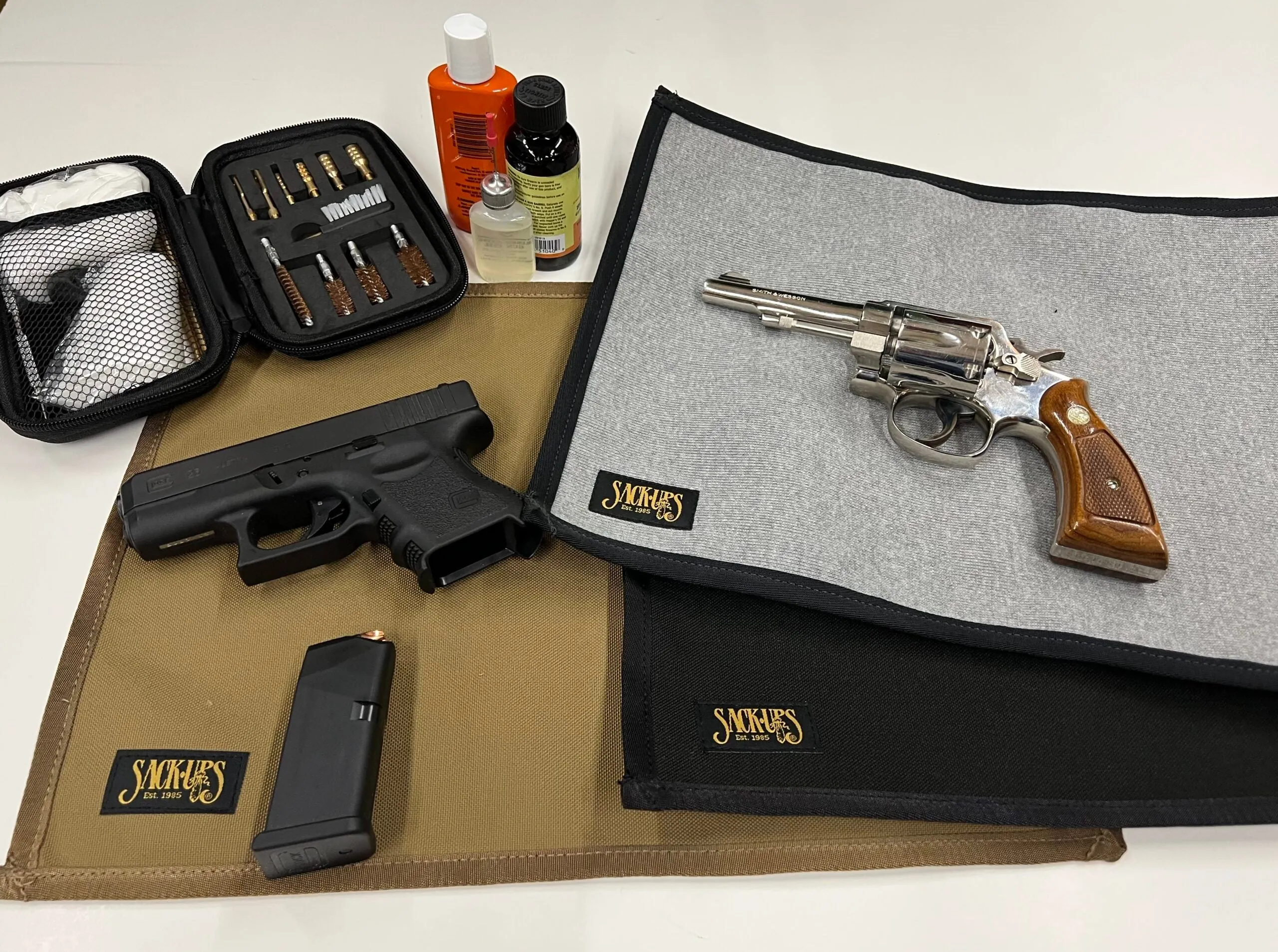
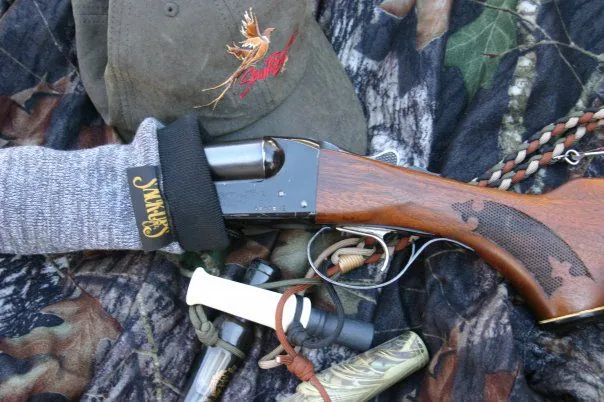
Once secure storage, spacing and dry conditions are in place, a clean, properly fitted sleeve can add a soft layer between a firearm and the surfaces around it. It can be useful during storage and transport, especially when firearms share a shelf, safe or vehicle on the way to the range.
Measure the complete unloaded firearm and account for the stock, barrel, scope and other features that affect its outline. A sleeve should go on and come off easily, without leaving part of the firearm exposed or forcing a larger setup into a tight opening. The Sack-Ups fit guide is a practical starting point for rifles, shotguns, handguns and scoped firearms.
Build a storage routine you can repeat
The best gun storage idea is usually the one that stays orderly after ordinary use. Set aside a few minutes after a trip or cleaning session to confirm the firearm is safe according to the manufacturer's instructions, wipe away surface moisture and dirt, check that the sleeve is dry, and return everything to its assigned place.
- Keep the secure storage area clear enough to remove and return one firearm at a time.
- Separate firearms from loose accessories, paperwork and maintenance supplies.
- Check for moisture after wet weather, travel or seasonal changes.
- Inspect sleeves, cases and other storage materials before they return to enclosed storage.
- Choose protective storage by the firearm's actual size and features.
For a simple shopping path, browse the firearm storage collection to compare options by firearm type, then use the fit guidance to narrow the choice. A more organized storage space protects the gear you value and makes the next outing easier to prepare for.
Frequently asked questions
What is a practical DIY gun storage idea for a crowded safe?
Start by separating firearms, maintenance supplies, documents and range gear into distinct zones. Leave enough clearance to remove one firearm without shifting another, and use bins or shelves for small accessories so they do not collect in the long-gun area.
Can I add shelves or organizers inside a gun safe?
A freestanding organizer can add useful order when it does not interfere with the safe door, lock, fire lining or the manufacturer's guidance. Measure the interior carefully and keep the setup easy to inspect and reset after use.
How can I keep a gun storage space dry?
Keep wet firearms, sleeves, cases and range gear out of enclosed storage until they are fully dry. A visible hygrometer and a moisture-control product sized for the space can help you monitor conditions when the room or safe tends to hold humidity.
Do gun socks replace secure firearm storage?
No. A clean, dry and properly fitted gun sock is a soft protective layer for storage and transport. It works alongside secure storage, safe handling, regular inspection and the firearm manufacturer's care instructions.